


Key Takeaways
- Defaulting on a land contract means failing to meet obligations, usually missed payments, taxes, or insurance.
- Sellers can cancel the contract quickly, often faster than a foreclosure process.
- Buyers risk losing the home, all equity built, and potentially facing eviction.
- Balloon payments are a common cause of default if buyers cannot refinance or save enough.
- Working with reputable companies and planning ahead helps reduce the risk of default.
What Happens If You Default on a Land Contract
A land contract, also known as a Contract for Deed, offers buyers an alternative path to homeownership without going through a bank. Buyers make monthly payments directly to the seller until the contract is complete, at which point the deed transfers. While this option is flexible, it also comes with risks.
One of the biggest concerns is: what happens if you default on a land contract?
Defaulting on a land contract can have serious consequences. This guide explains what default means, what steps sellers can take, and how buyers can protect themselves.
What Does It Mean to Default on a Land Contract
Default occurs when the buyer fails to meet the obligations outlined in the agreement. This usually means missed payments, but it can also include failing to pay property taxes, maintain insurance, or take care of the property as agreed.
When default happens, the seller has legal rights under state law to cancel the contract and reclaim the property.
Common Causes of Default
- Missed or late monthly payments
- Failure to pay property taxes on time
- Lapsed homeowner’s insurance coverage
- Not maintaining the property in acceptable condition
- Inability to pay a balloon payment if required in the contract
Understanding these causes helps buyers avoid situations that could lead to default.
Immediate Consequences of Default
When a buyer defaults, the seller has the right to begin cancellation proceedings. Unlike traditional foreclosures, which can take months or years, cancellation under a land contract often moves much faster.
This means a buyer could lose the home and any equity built with fewer protections than in a standard mortgage foreclosure.
How Contract Cancellation Works
Notice of Default
The seller must first provide written notice to the buyer, outlining the missed payments or other contract violations.
Opportunity to Cure
In Minnesota and many other states, the buyer is given a set period (often 30–60 days) to catch up on payments or resolve the issue.
Cancellation of Contract
If the buyer does not correct the default within the timeframe, the seller can cancel the contract and reclaim the property.
What Happens to the Equity You Built
One of the harshest outcomes of defaulting on a land contract is the loss of equity. Unlike traditional mortgages, where foreclosure may still allow you to recoup some value, defaulting on a land contract often means losing all payments made to date.
This is why staying current on payments is critical.
How Default Affects Your Credit
While land contracts are private agreements, default can still harm your credit. If the seller reports the default or takes legal action, it could appear on your credit history, making it even harder to qualify for financing in the future.

Can You Be Evicted After Default
Yes. Once a contract is canceled, the seller can begin eviction proceedings to remove the buyer from the property. This process is typically much faster than a foreclosure eviction.
Options to Avoid Default
- Communicate Early: Contact the seller as soon as financial difficulties arise.
- Request Modifications: Negotiate for smaller payments or an extension.
- Seek Refinancing: Transition into a traditional mortgage if your credit has improved.
- Sell the Contract: Some buyers may sell their interest to another party to avoid default.
What If You Default on a Balloon Payment
Many land contracts include a balloon payment at the end of the term. If you cannot make this lump sum, it still counts as a default. In this case, you may need to refinance into a mortgage or negotiate new terms with the seller to avoid cancellation.
How Sellers Benefit From Default
While default is devastating for buyers, sellers may reclaim the property, keep all previous payments, and resell the home. This is why buyers must carefully review contracts and only work with trustworthy providers who prioritize fairness.
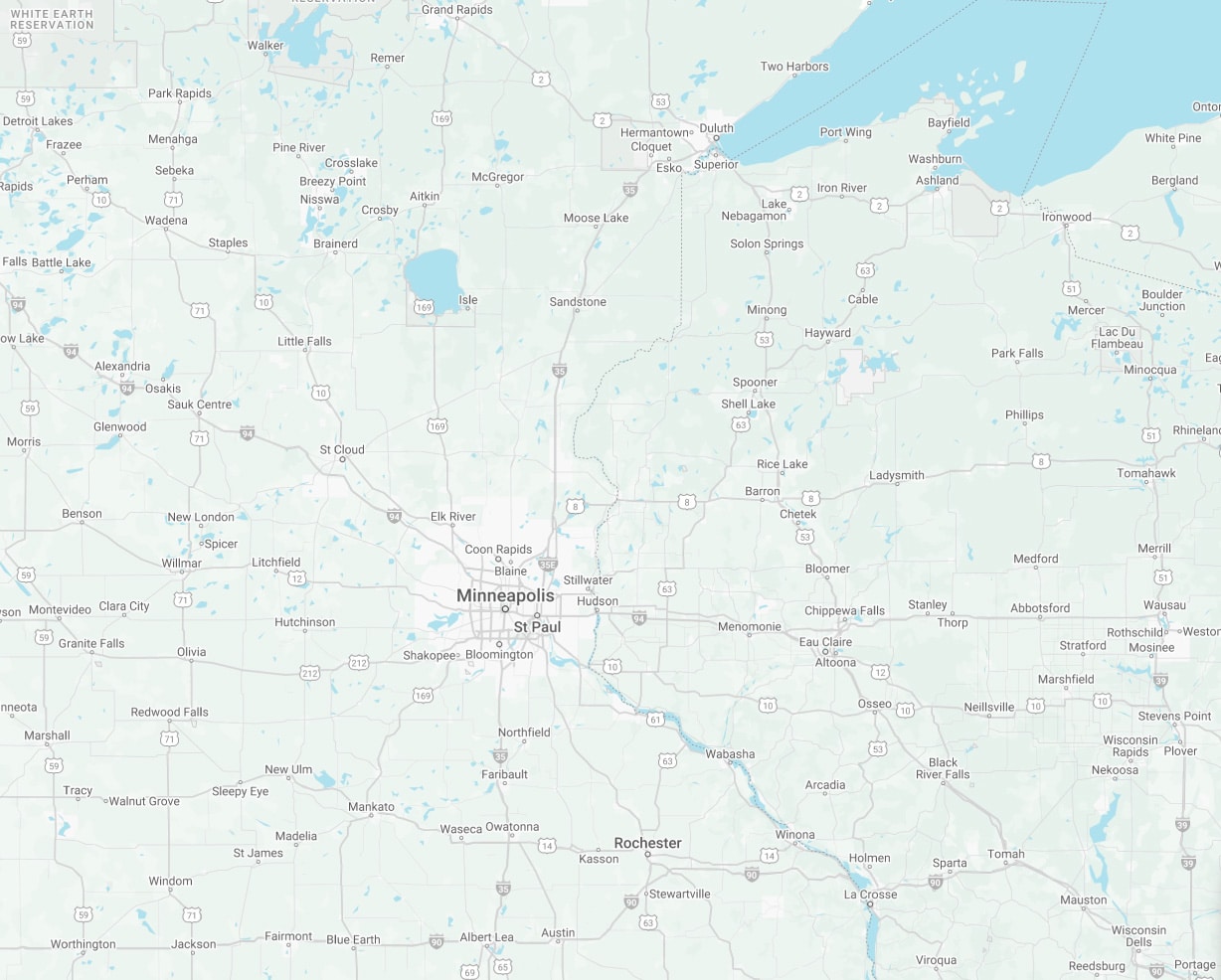
Mapping Where We’ve Made a Difference with a Wisconsin Land Contract or Minnesota Contract For Deed
Let us help you get into your home today!
Protecting Yourself in a Land Contract
- Always have the contract reviewed by a real estate attorney.
- Keep detailed records of every payment made.
- Set aside funds for taxes and insurance to prevent lapses.
- Choose reputable providers like Contract For Deed LLC to ensure transparency and legal compliance.
Take the Next Step With Confidence
A land contract can be a powerful path to homeownership, but it’s important to understand the risks of default. At Contract For Deed LLC, we structure clear, fair agreements and help buyers plan for long-term success.
Contact us today to learn more about secure land contracts in Minnesota and start your path to ownership with confidence.