


Key Takeaways
- Sellers in a Contract for Deed act as the lender and must manage the transaction responsibly.
- Contracts must be written, signed, and recorded with the county recorder’s office.
- Sellers must ensure clear title, manage payments properly, and disclose any existing mortgages.
- Buyers must receive legal notice and time to cure before cancellation.
- Working with Contract For Deed LLC ensures compliance, fairness, and proper documentation.
Seller Responsibilities in a Contract for Deed
A Contract for Deed—also known as a land contract or installment sale—is a flexible way to sell property without going through a bank. It allows the seller to finance the purchase for the buyer, offering more options to those who might not qualify for a traditional mortgage. While it benefits both parties, sellers carry important legal and financial obligations that must be handled carefully to protect everyone involved.
This guide explains the seller responsibilities in a Contract for Deed, including what’s required under Minnesota law, how to manage payments, and how to ensure a fair, compliant transaction.
Understanding the Seller’s Role in a Contract for Deed
In a Contract for Deed arrangement, the seller acts as the lender. Instead of receiving full payment upfront, the seller finances the property and collects monthly installments from the buyer. The buyer takes possession of the home immediately, but the seller keeps legal title until all payments are completed.
This means the seller has ongoing duties—both during and after the contract period—to ensure the agreement is valid, transparent, and legally enforceable.
Legal Obligations of the Seller
Drafting a Written Contract
Minnesota law requires that every Contract for Deed be in writing. The agreement must clearly include:
- The full purchase price
- Interest rate and payment schedule
- Down payment amount
- Property description
- Responsibilities for taxes, insurance, and maintenance
- Default and cancellation procedures
Without a written and signed agreement, the contract may be unenforceable.
Recording the Contract
Once signed, the seller must ensure the contract is recorded with the county recorder’s office within four months. This step protects both the seller and buyer by making the transaction public record.
Failing to record the contract can lead to disputes and potential legal consequences.
Ensuring Clear Title
Before entering into the agreement, the seller must guarantee that they own the property free and clear of major liens or legal disputes.
A title search should be conducted to verify:
- No unpaid property taxes
- No outstanding mortgages (or proper disclosure if one exists)
- No third-party claims on the property
Providing a clear title ensures the buyer’s payments go toward legitimate ownership.
Managing Buyer Payments
The seller is responsible for properly managing and recording all buyer payments. Each payment should be:
- Documented with a dated receipt or statement
- Applied toward the principal and interest balance as outlined in the contract
- Tracked in case of future disputes or audits
Maintaining accurate payment records protects the seller and provides transparency for the buyer.
Handling Property Taxes and Insurance
Taxes
Depending on the contract terms, either the buyer or seller may be responsible for paying property taxes. However, the seller must clarify this in writing.
If the buyer is responsible, the seller should:
- Require proof of annual tax payment
- Monitor county records to ensure taxes are current
If the seller pays the taxes, they may include these costs in the buyer’s monthly payments.
Insurance
Similarly, the contract must specify who carries homeowner’s insurance. The seller often requires the buyer to maintain coverage naming both parties as insureds to protect the property’s value.
Maintaining Compliance During the Contract
Sellers must operate within Minnesota’s Contract for Deed regulations (Minn. Stat. §559.21), which govern default procedures, cancellation rights, and notice periods.
If a buyer falls behind on payments, the seller cannot immediately cancel the contract. They must first:
- Provide a written notice of default
- Allow the buyer a 60-day period to cure (catch up on payments)
- Follow legal cancellation steps if the issue remains unresolved
Skipping these steps can make the cancellation invalid in court.

Disclosing Existing Mortgages
If the property still has a mortgage, the seller must disclose it before signing. Some mortgage agreements include a “due-on-sale clause,” which allows the lender to demand full repayment if the property is sold—even under a Contract for Deed.
Transparency about existing loans protects both the seller and buyer from potential foreclosure risks.
Providing Annual Statements
In Minnesota, sellers are encouraged to provide buyers with annual statements showing:
- Total amount paid to date
- Remaining balance owed
- Interest charged and principal paid
- Any escrowed taxes or insurance amounts
This keeps both parties informed and maintains accountability throughout the contract term.
Seller Rights During the Contract
While sellers have responsibilities, they also retain certain rights:
- Legal title remains in the seller’s name until the final payment.
- The seller may cancel the contract if the buyer defaults and fails to cure.
- The seller can collect late fees as outlined in the contract.
However, exercising these rights must always comply with legal procedures and notice requirements.
What Sellers Cannot Do
Sellers must avoid practices that violate state law or buyer protections, such as:
- Selling the same property to multiple buyers
- Refusing to record the contract
- Failing to provide proper cancellation notice
- Keeping buyer payments after unlawful termination
Such actions can result in lawsuits or loss of ownership rights.
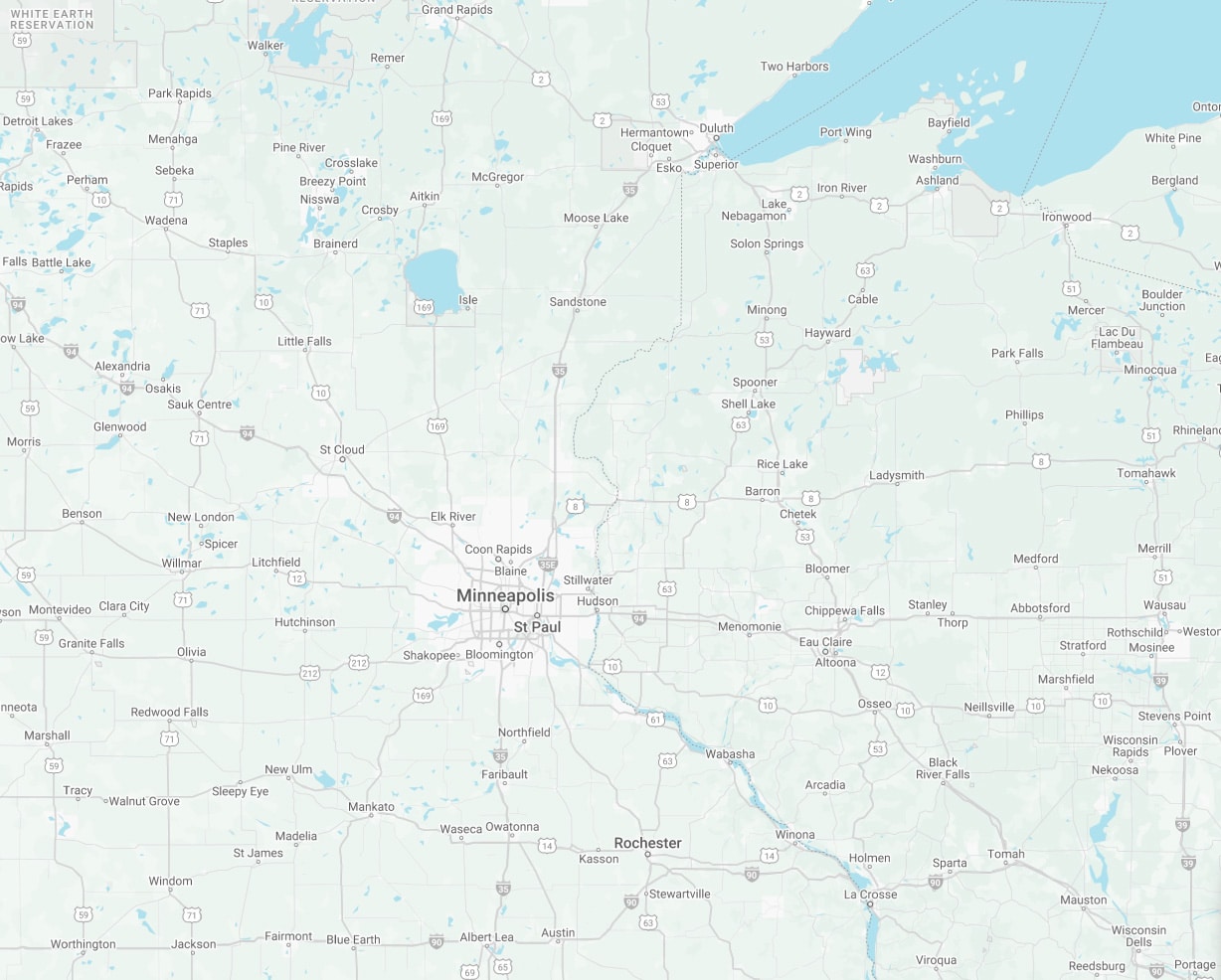
Mapping Where We’ve Made a Difference with a Wisconsin Land Contract or Minnesota Contract For Deed
Let us help you get into your home today!
Why Professional Guidance Is Important
Contracts for Deed can be complex, and small mistakes can lead to major legal or financial problems. Working with a professional company like Contract For Deed LLC helps sellers:
- Draft legally compliant agreements
- Properly record and manage payments
- Protect their interests while treating buyers fairly
- Avoid balloon payments and ambiguous clauses
Professional assistance ensures the contract is clear, enforceable, and mutually beneficial.
Take the Next Step Toward a Secure Sale
Selling through a Contract for Deed can be rewarding, but only if handled correctly. At Contract For Deed LLC, we help Minnesota property owners navigate every step—drafting contracts, verifying compliance, and ensuring both parties are protected.
Contact us today to learn how to structure a legally sound and successful Contract for Deed sale.