


Key Takeaways
- Owning a home benefits buyers even with non-traditional financing by providing stability, financial growth, and long-term savings.
- Alternative financing options like Contract for Deed allow buyers to build equity without needing a traditional mortgage.
- Homeownership gives you control over your living situation, unlike renting where landlords set the rules.
- Tax benefits and property appreciation can make homeownership more cost-effective than renting in the long run.
- Things to consider in buying a house through non-traditional financing include contract terms, maintenance costs, and legal protections.
- Planning ahead by saving for expenses and reviewing agreements with an attorney can help buyers avoid financial risks.
- With the right preparation, owning a home benefits buyers by offering long-term financial security and personal freedom.
How Owning a Home Benefits You with Non-Traditional Financing
Owning a home is a major goal for many people, but not everyone qualifies for a traditional mortgage. If you have credit challenges or limited savings, you might think homeownership is out of reach. However, non-traditional financing options like Contract for Deed or rent-to-own agreements can help you buy a home without going through a bank.
Many wonder whether buying a house with these financing methods is a smart decision. The truth is that owning a home benefits you in many ways, even if you take an alternative route to get there.
This guide will explain how homeownership through non-traditional financing can provide financial security, stability, and long-term rewards.
Understanding Non-Traditional Financing and How It Works
Non-traditional financing allows buyers to purchase a home without a bank loan. These options work differently from traditional mortgages but still provide a way to become a homeowner.
Some of the most common non-traditional financing options include:
- Contract for Deed where the buyer makes payments directly to the seller and receives full ownership after the final payment.
- Rent-to-own agreements which allow renters to put part of their monthly payment toward purchasing the home in the future.
- Seller financing where the homeowner acts as the lender and sets repayment terms directly with the buyer.
These options offer flexibility, making homeownership possible for those who do not meet the strict requirements of traditional lenders.
Building Equity Over Time: How Owning a Home Benefits You Financially
One of the biggest advantages of homeownership is building equity. Equity is the difference between what your home is worth and what you owe on it. As you make payments, you increase your ownership in the property. This is a major reason why owning a home benefits you financially.
Renting does not give you any return on your money. When you rent, your payments go to the landlord, and you never build equity. With non-traditional financing, you are still working toward ownership, even if you are not using a mortgage. This means your home can become an investment, growing in value over time.
If you decide to sell your home later, you could walk away with a profit. If you refinance into a traditional mortgage, you can take advantage of better loan terms once your financial situation improves.

Stability and Control: How Owning a Home Benefits Your Future
Renting can be unpredictable. Your landlord might decide to sell the property, raise the rent, or end your lease. Owning a home benefits you by giving you control over where you live. You will not have to worry about sudden rent increases or being forced to move.
Homeownership also allows you to customize your space. You can paint the walls, renovate the kitchen, or plant a garden without needing approval from a landlord. This freedom lets you create a home that truly fits your lifestyle and long-term plans.
For families, owning a home means having a stable place to raise children. Moving frequently can be stressful, especially when it involves changing schools or neighborhoods. A home provides security and a sense of belonging.
Tax Advantages and Long-Term Savings: How Owning a Home Benefits You Beyond Monthly Payments
Owning a home can help you save money in ways you might not expect. Some homeowners qualify for tax benefits, such as deductions for property taxes and mortgage interest. These savings can lower the overall cost of homeownership.
Another financial benefit is that homes tend to increase in value over time. While rent payments never lead to ownership, homeownership allows you to build wealth as your property appreciates.
Additionally, fixed payments on a Contract for Deed or other non-traditional financing methods provide predictability. Unlike rent, which can increase each year, homeownership gives you more control over your long-term housing costs.
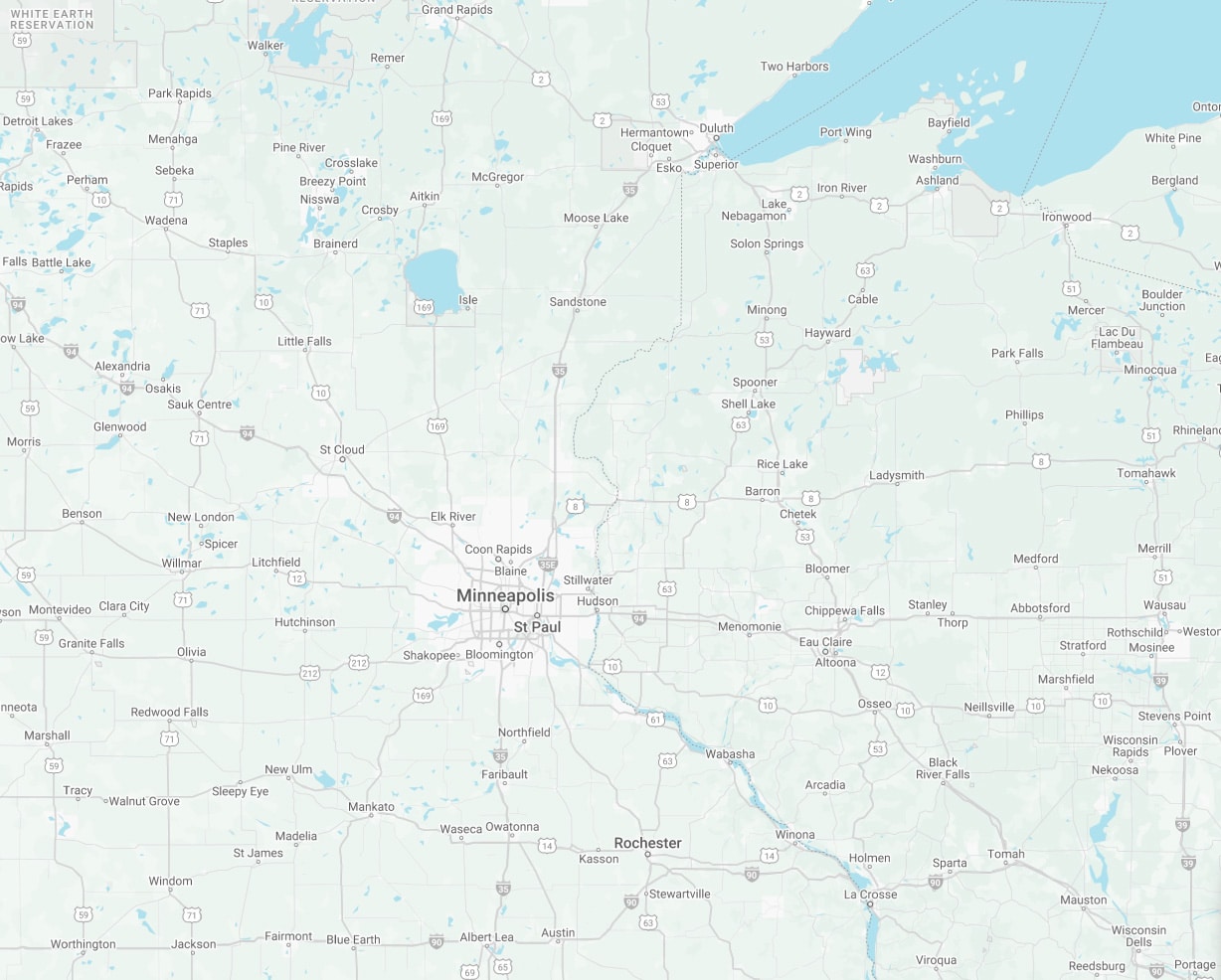
Mapping Where We’ve Made a Difference with a Wisconsin Land Contract or Minnesota Contract For Deed
Let us help you get into your home today!
Potential Risks and How to Protect Yourself
Non-traditional financing has many advantages, but it also comes with risks. Higher interest rates, fewer legal protections, and the possibility of losing your investment if payments are missed are all things to consider in buying a house this way.
To protect yourself, it is important to:
- Have a real estate attorney review your contract before signing.
- Set aside savings for unexpected home repairs or financial emergencies.
- Understand the terms of your agreement, including what happens if you need to move or refinance.
Doing your research and working with professionals can help ensure that you are making a safe and smart decision.
Making the Most of Non-Traditional Homeownership: How Owning a Home Benefits You with the Right Preparation
To get the most out of homeownership through non-traditional financing, careful planning is essential. Here are some steps to ensure success:
- Improve your credit score so you can refinance into a traditional mortgage later.
- Save for property taxes, insurance, and maintenance costs to avoid financial strain.
- Negotiate the terms of your financing agreement to get the best possible deal.
- Research the seller or landlord to confirm they have a good track record.
Owning a home benefits you the most when you are financially prepared and understand your agreement. Planning ahead will help you enjoy all the rewards of homeownership without unnecessary risks.
How Owning a Home Benefits You No Matter Your Financing Method
Buying a home through non-traditional financing is a great option for those who cannot qualify for a mortgage but still want to invest in their future. Even without a bank loan, owning a home benefits you by helping you build equity, gain stability, and create long-term financial security.
The key is to understand your financing terms, plan for expenses, and seek professional advice when needed. With the right approach, homeownership is not only possible but also a smart financial decision.
If you are ready to take the next step, explore Contract for Deed and other flexible financing options to find the best path toward owning your home.