

Key Takeaways
- A balloon mortgage offers low payments now but ends with one large lump sum later.
- It can make sense for short-term homeowners or investors with a clear exit plan.
- For long-term homeowners, it’s generally a risky choice.
- Safer alternatives include fixed-rate mortgages, ARMs, or owner financing options.
- Contract For Deed LLC helps buyers find flexible, fair agreements without balloon risk.
Is a Balloon Mortgage a Good Idea?
When shopping for home financing, some buyers come across the term balloon mortgage—a type of loan that starts with small monthly payments but ends with one large final payment. At first glance, it can seem appealing because it offers lower payments during the early years. But many wonder: is a balloon mortgage a good idea?
The answer depends on your financial goals, risk tolerance, and how long you plan to keep the property. Let’s explore how balloon mortgages work, when they make sense, and when they may lead to financial trouble.
What Is a Balloon Mortgage
A balloon mortgage is a short-term home loan that includes lower monthly payments for several years, followed by a large “balloon” payment at the end of the term.
Typical Structure
- Loan term: Usually 5–7 years
- Monthly payments: Cover only interest or part of the principal
- Final payment: A large lump sum due at the end of the contract
Borrowers often plan to refinance or sell the home before the balloon payment comes due.
Why Some Buyers Consider Balloon Mortgages
Balloon mortgages can seem attractive because of their lower initial payments. This structure may help buyers:
- Afford larger homes in the short term
- Manage cash flow while expecting future income increases
- Use short-term financing for investment properties
However, these benefits come with risks that should be carefully considered.
The Main Risks of a Balloon Mortgage
The biggest danger is failing to make the large final payment. If you can’t refinance or sell before it’s due, you could lose the home. Other risks include:
- Rising interest rates that make refinancing difficult
- Limited access to lenders offering balloon refinancing
- Decreased home value making resale harder
These risks make balloon mortgages less ideal for buyers seeking long-term stability.
When a Balloon Mortgage Might Be a Good Idea
Despite the risks, there are cases where balloon mortgages make sense:
- You plan to sell the property within a few years.
- You’re certain you can refinance before the balloon payment.
- You have future funds (bonuses, inheritance, or asset sales) to cover the lump sum.
For short-term ownership or transitional situations, this type of loan can provide temporary flexibility.
When a Balloon Mortgage Is a Bad Idea
A balloon mortgage is not recommended if:
- You plan to stay in the home long-term.
- Your income is uncertain or unstable.
- You lack a plan for refinancing or paying the balloon amount.
- You want predictable, steady payments over time.
Without a clear exit strategy, a balloon mortgage can quickly turn into a financial burden.

Balloon Mortgages vs Fixed-Rate Mortgages
Balloon Mortgage
- Shorter term (5–7 years)
- Lower initial payments
- Large final lump sum required
Fixed-Rate Mortgage
- Longer term (15–30 years)
- Steady monthly payments
- More security for long-term homeowners
If stability is your goal, fixed-rate mortgages are typically the safer choice.
Balloon Mortgages vs Adjustable-Rate Mortgages (ARMs)
While both options can lower initial costs, they work differently:
- Balloon mortgages have fixed payments that end with a lump sum.
- Adjustable-rate mortgages start with a fixed rate that adjusts based on the market.
Balloon loans have more predictable short-term payments, but ARMs offer more flexibility if rates stay favorable.
What Happens If You Can’t Pay the Balloon Payment
If you reach the end of the loan term without being able to pay, you risk defaulting and losing your home. Possible outcomes include:
- Refinancing into another loan (if credit and income qualify)
- Selling the home to cover the balance
- Losing the property if neither option is available
Failing to plan for this payment can lead to foreclosure or significant financial loss.
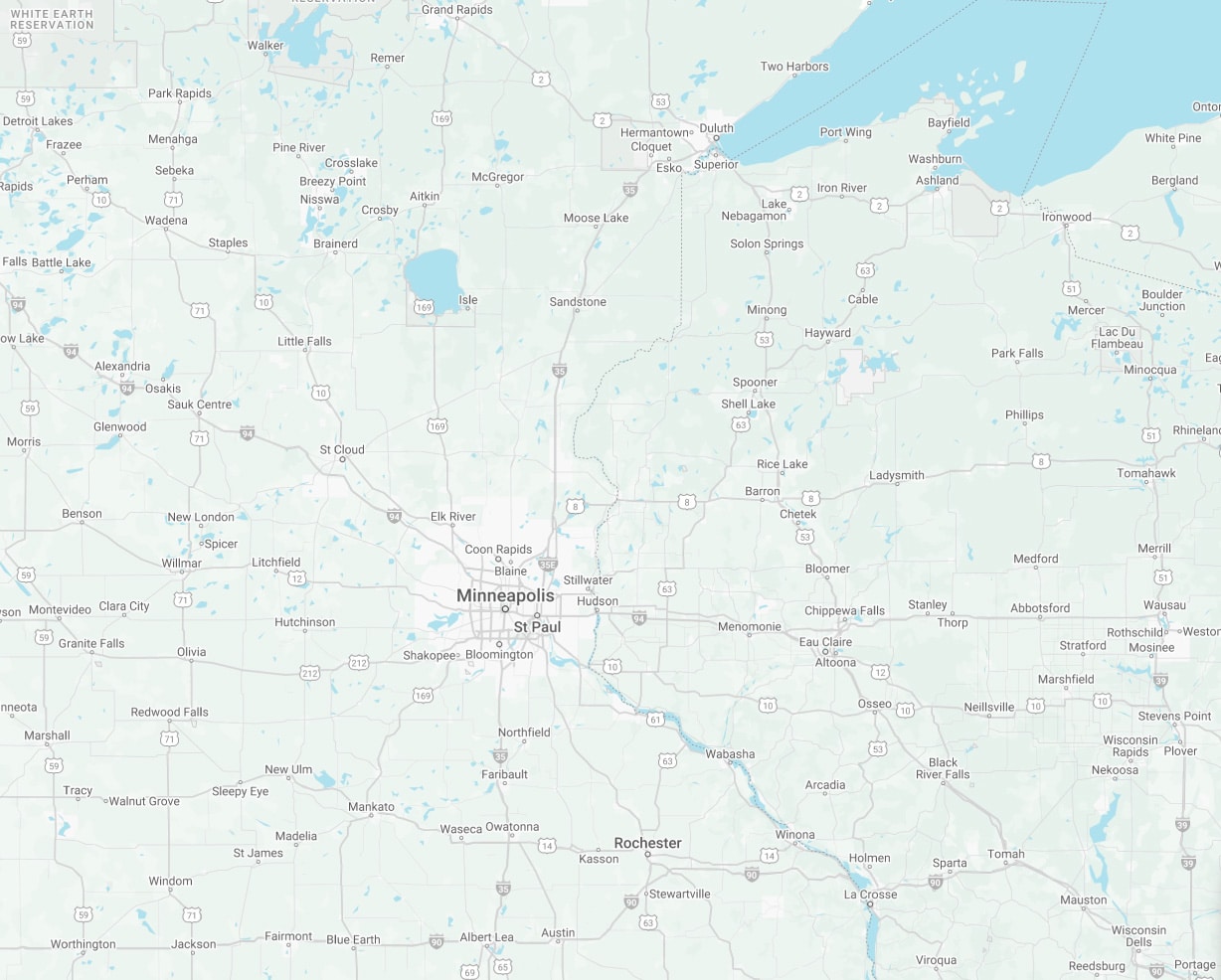
Mapping Where We’ve Made a Difference with a Wisconsin Land Contract or Minnesota Contract For Deed
Let us help you get into your home today!
Alternatives to Balloon Mortgages
For most buyers, safer alternatives include:
- Fixed-rate mortgages for long-term security
- Adjustable-rate mortgages for lower short-term payments with less risk
- Contract for Deed agreements, which offer flexibility without bank approval
Each option provides a more stable path to homeownership without the risk of a sudden large payment.
Balloon Mortgages in Owner Financing
In owner financing or Contract for Deed arrangements, balloon clauses are sometimes used by sellers to protect their investment. Buyers agree to make regular payments for a few years before paying a lump sum or refinancing.
This approach can help buyers with poor credit get started, but they must be confident they’ll qualify for refinancing later.
Should You Get a Balloon Mortgage
A balloon mortgage might be a good idea only if:
- You have a guaranteed plan to pay the final amount.
- You are confident in future refinancing options.
- You understand and accept the risks involved.
Otherwise, it’s wiser to consider financing options that provide greater long-term security.
Why Contract For Deed LLC Offers Safer Alternatives
At Contract For Deed LLC, we provide buyers with flexible, no-bank financing options that don’t include risky balloon payments. Our process is transparent, legally sound, and designed to help Minnesotans achieve sustainable homeownership.
Take the Next Step Toward Secure Financing
If you’re considering a balloon mortgage, take time to explore safer, more flexible options first. At Contract For Deed LLC, we help buyers secure financing without the stress of large final payments.
Contact us today to learn more about our no-bank financing programs and start your journey toward stable homeownership.