

Key Takeaways
- Rent-to-own contracts can help buyers purchase homes over time but are vulnerable to scams.
- Verify property ownership before paying any money.
- Insist on a written, legally reviewed contract that outlines all costs and responsibilities.
- Avoid paying in cash and beware of unrealistic promises.
- Consider Contract for Deed or owner financing options for safer, more transparent home purchases.
How to Avoid Scams in Rent to Own Home Contracts
Rent-to-own home agreements can seem like a dream opportunity—especially for buyers with low credit or limited savings. These contracts promise a pathway to ownership without an immediate mortgage. But while legitimate rent-to-own deals do exist, the market is also filled with scams that exploit hopeful buyers.
If you’re exploring this option, it’s crucial to understand how to avoid scams in rent to own home contracts before signing anything. This guide explains how rent-to-own works, common red flags, and how to protect yourself legally and financially.
What Is a Rent-to-Own Home Contract
A rent-to-own contract allows you to rent a home now and buy it later, typically within three to five years. Each monthly payment includes rent plus an additional amount credited toward the future purchase price.
There are two main types of rent-to-own agreements:
1. Lease Option
You have the option (but not the obligation) to buy the home at the end of the lease.
2. Lease Purchase
You are legally obligated to buy the home once the lease period ends.
Understanding which type you’re signing is vital to avoiding disputes or losses later.
Why Rent-to-Own Can Be Risky
Rent-to-own contracts are less regulated than traditional mortgages, giving scammers room to operate. Many buyers lose money to fake listings, unfair terms, or sellers who don’t even own the property they’re renting.
These agreements also put most financial risk on the tenant-buyer, especially when the contract isn’t written properly.
Common Rent-to-Own Scams
Fake Seller or Property Scam
The scammer pretends to own a home, collects deposits or rent payments, and disappears.
Unrecorded Contracts
Some sellers never record the agreement with the county, leaving the buyer without legal protection.
Hidden Balloon Payments
Buyers may discover at the end of the contract that they owe a large lump sum they can’t afford.
Unrealistic Purchase Prices
Scammers inflate home values to make the deal seem favorable, leaving the buyer with an overpriced property.
“Too Good to Be True” Deals
If the terms sound far better than market reality, it’s often a red flag.

How to Verify That the Seller Is Legitimate
Before paying any money, verify that the person offering the rent-to-own deal actually owns the property.
- Request a copy of the title or deed.
- Cross-check ownership with county property records.
- Avoid paying cash until ownership is confirmed.
Legitimate sellers and companies will always be transparent about property ownership.
Understand What’s in the Contract
A safe rent-to-own agreement should include:
- The full purchase price and how it’s determined
- The lease duration and payment breakdown
- How much of your monthly payment goes toward the future purchase
- Responsibility for maintenance, repairs, and taxes
- The refund policy if the buyer does not complete the purchase
If any of these terms are missing or vague, that’s a red flag.
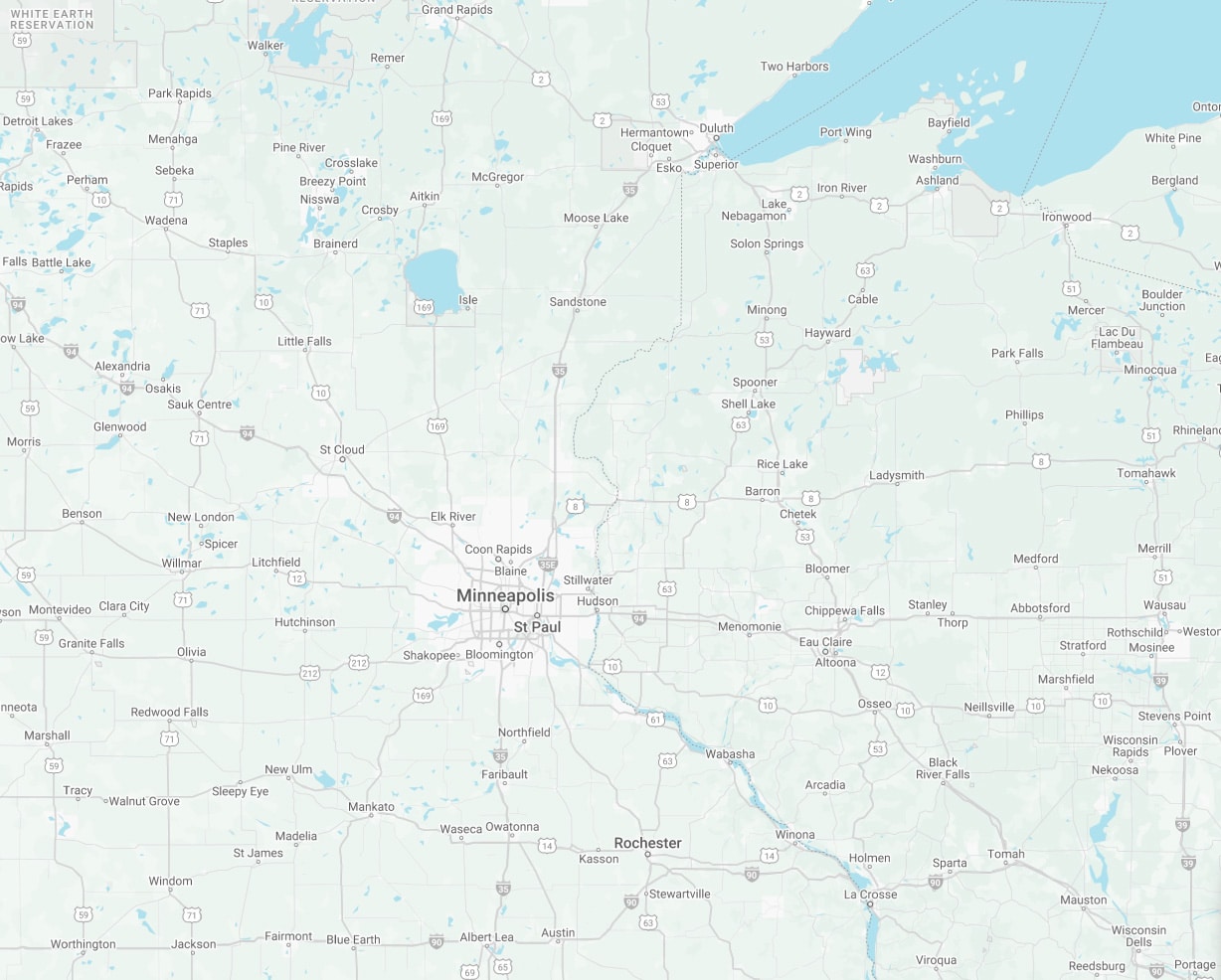
Mapping Where We’ve Made a Difference with a Wisconsin Land Contract or Minnesota Contract For Deed
Let us help you get into your home today!
Always Get Everything in Writing
Never rely on verbal promises in rent-to-own arrangements. Insist on a written, signed contract reviewed by a qualified real estate attorney or professional company like Contract For Deed LLC.
Written documentation protects you if the seller tries to change terms or deny previous agreements.
Research the Home’s Market Value
Use public real estate records or appraisal tools to confirm that the agreed purchase price aligns with the property’s fair market value. Overpaying significantly increases your risk if you decide to refinance or sell later.
Avoid Paying in Cash
Scammers often prefer cash or wire transfers because they leave no paper trail. Always pay through traceable methods like:
- Certified checks
- Bank transfers
- Escrow accounts managed by a neutral third party
Ask About Repairs and Maintenance
Many scams involve shifting all maintenance responsibilities to the buyer, even before ownership. Clarify who pays for what:
- Landlord responsibility: major repairs, structure, and safety issues
- Tenant-buyer responsibility: minor upkeep or utilities
If the seller demands you pay for all repairs, especially early in the lease, it may be an unfair deal.
Check for Hidden Clauses
Read the fine print carefully. Some contracts include:
- Nonrefundable option fees
- Penalties for missed or late payments
- Terms that cancel your purchase option if you’re one day late
A legitimate seller will explain these clauses openly and may allow fair grace periods.
Have the Contract Reviewed Professionally
Before signing, hire a real estate attorney or work with a trusted company like Contract For Deed LLC to review the terms. They’ll ensure the agreement complies with Minnesota law and protects your interests as a buyer.
Safer Alternatives to Rent-to-Own
For many buyers, owner financing or a Contract for Deed is a more secure path to ownership. Unlike rent-to-own deals, these contracts:
- Grant immediate equitable ownership
- Have clearer legal protections
- Involve direct monthly payments toward the purchase price
Companies like Contract For Deed LLC handle the legal and financial details, ensuring all terms are transparent and recorded.
Take the Next Step Toward Safe Homeownership
If you’re considering rent-to-own, make sure your path to ownership is secure and legitimate. At Contract For Deed LLC, we provide transparent, legally sound agreements that protect both buyers and sellers—without the risks common in rent-to-own scams.
Contact us today to learn more about safe alternatives to rent-to-own and start your journey toward homeownership in Minnesota.