

Key Takeaways
- Contracts for Deed usually last five to ten years, shorter than traditional mortgages.
- Some contracts include balloon payments that shorten the effective term.
- Buyers can sometimes refinance early or negotiate extensions, but planning ahead is essential.
- Missing payments can result in cancellation, even before the end of the contract.
- Contract For Deed LLC provides transparent agreements and helps buyers prepare for the contract’s conclusion.
How Long Does a Contract for Deed Last
A Contract for Deed, also known as a land contract or owner financing, is a home financing option where the seller finances the purchase instead of a bank. This arrangement is common in Minnesota and gives buyers with poor or no credit a path to homeownership. One of the most common questions buyers ask is: how long does a contract for deed last?
The answer depends on the agreement, but most contracts run shorter than traditional mortgages. Here’s a full breakdown of typical timelines, what influences them, and what buyers should expect.
Typical Length of a Contract for Deed
Most Contracts for Deed in Minnesota last five to ten years, though some may be shorter or longer depending on the terms. This is different from a traditional mortgage, which often lasts 15 to 30 years.
The shorter length is intentional. These contracts are often used as temporary financing until the buyer can qualify for a conventional loan.
Why Contract for Deed Terms Are Shorter
Contracts for Deed are designed to minimize the seller’s risk. By keeping agreements to five or ten years, the seller ensures they are not tied to long-term financing. Meanwhile, the buyer gets time to improve credit, build equity, and refinance into a traditional mortgage.
Do Contracts for Deed Always Last the Full Term
Not necessarily. Many buyers refinance or pay off the contract early once their financial situation improves. Others may fulfill the entire contract length and then receive the deed. Some contracts also include balloon payments that require the buyer to pay off the balance sooner.
Factors That Affect How Long a Contract Lasts
Several elements influence the duration of a Contract for Deed:
- Purchase price of the home
- Down payment amount
- Monthly payment size agreed upon
- Seller’s risk tolerance and preferences
- Buyer’s ability to refinance within a few years
These factors combine to determine whether the contract lasts closer to five years or the full ten.
What Happens at the End of a Contract for Deed
At the end of the contract term, one of two outcomes occurs:
- If the buyer has paid the full balance, the seller transfers the deed, and the buyer becomes the legal owner.
- If the contract includes a balloon payment and the buyer cannot refinance or pay it, they may risk defaulting.
This makes it critical to plan for the end of the contract well in advance.
Can a Contract for Deed Be Extended
Yes, extensions are possible but must be agreed upon by both parties. The seller may allow the buyer more time if they have a strong payment history, but extensions are not guaranteed. Buyers should not rely on an extension unless it’s written into the contract.

How Balloon Payments Affect Contract Length
What Is a Balloon Payment
A balloon payment is a large lump sum due at the end of a contract. It shortens the effective timeline because buyers must either refinance or pay off the balance sooner.
Why Sellers Use Balloon Payments
Sellers often add balloon clauses to reduce long-term risk and ensure the buyer transitions to traditional financing.
Comparing Contract for Deed Timelines to Mortgages
Traditional mortgages last 15–30 years with equal monthly payments until the balance is paid. Contracts for Deed are shorter, usually five to ten years, and sometimes include balloon payments. This makes them more flexible but also riskier without proper planning.
What Happens If You Default Before the Contract Ends
If a buyer cannot make payments, Minnesota law allows sellers to cancel the contract. The buyer may lose their right to the property and any equity built. This is why maintaining consistent payments is crucial, regardless of the contract’s length.
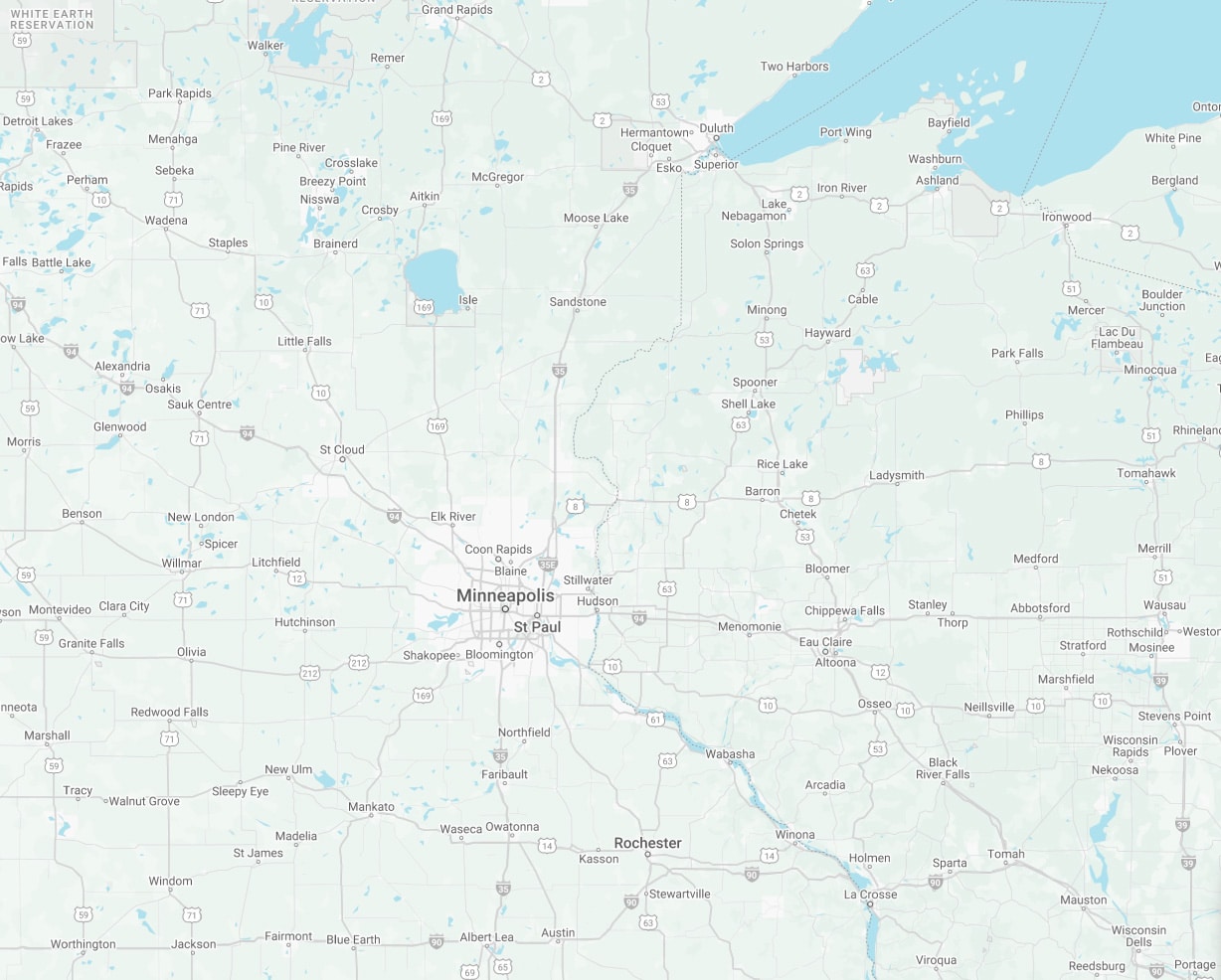
Mapping Where We’ve Made a Difference with a Wisconsin Land Contract or Minnesota Contract For Deed
Let us help you get into your home today!
How to Prepare for the End of a Contract for Deed
- Monitor your payoff timeline closely.
- Work on improving your credit to qualify for refinancing.
- Save for potential balloon payments if included.
- Stay in communication with the seller about your long-term goals.
Proper planning ensures you are ready when the contract term ends.
Why Contract For Deed LLC Helps Buyers Plan Ahead
At Contract For Deed LLC, we don’t just provide financing—we guide buyers through the entire process. We make sure contracts are clear about their length, explain any balloon payment terms, and help buyers prepare for eventual refinancing. Our goal is to set buyers up for long-term success and secure ownership.
Take the Next Step Toward Secure Homeownership
If you’re considering a Contract for Deed, understanding the timeline is critical. At Contract For Deed LLC, we make sure buyers know how long their contracts last and how to plan for full ownership.
Contact us today to learn more about Contracts for Deed in Minnesota and discover a path to homeownership that works for you.