

Key Takeaways
- Flexible Financing Option: Purchasing a house on a land contract offers buyers and sellers the flexibility to negotiate terms that suit their individual needs, bypassing traditional mortgage requirements.
- Role of Realtors: Experienced realtors, like Mike Arvold, play a critical role in facilitating land contract agreements, ensuring clarity and transparency throughout the process for a smooth transaction.
- Legal Agreement Structure: Land contracts, also known as Contracts for Deed or Installment Sale Agreements, allow buyers to make payments over time directly to the seller until full ownership is transferred.
- Benefits for Buyers: Land contracts are an attractive option for buyers who may not qualify for conventional loans, providing an alternative pathway to homeownership with negotiable terms.
- Personalized Approach: This method eliminates bank involvement, allowing for a more customized and direct approach to purchasing residential or commercial property, tailored to the parties’ financial goals and preferences.
House On Land Contract
House on land contract, also known as a contract for deed, offers an alternative option for homebuyers looking to purchase property without traditional financing. This arrangement typically involves the seller acting as the lender and allowing the buyer to make regular payments directly to them over a specified period until the full purchase price is paid off. For sellers, this can be a way to attract buyers who may have difficulty securing a mortgage through traditional means.
In these transactions, realtors often play a crucial role in facilitating the process and ensuring that both parties understand their rights and responsibilities. For homebuyers, purchasing a house on land contract can provide an opportunity to acquire property even if they have less-than-perfect credit or financial history.
This can be particularly advantageous in competitive real estate markets where securing financing through banks or other lenders may be challenging. By entering into a land contract agreement, buyers have the chance to build equity in the property over time while enjoying the benefits of homeownership.
However, it is essential for buyers to thoroughly understand the terms of the agreement and seek legal advice if necessary to ensure they are protected throughout the process. One key consideration for both parties in a house on land contract arrangement is understanding how ownership rights are transferred during the term of the contract.
Unlike traditional home purchases where ownership transfers upon closing, with a land contract, legal title typically remains with the seller until all payments are made according to the agreed-upon terms. Realtors specializing in these types of transactions such as Mike Arvold can provide valuable guidance on navigating this unique aspect of purchasing property on contract for deed agreements while ensuring that all parties are well-informed and protected throughout the transaction process involving commercial properties or residential homes alike.
Land Contract Benefits
Land contracts offer numerous benefits for both buyers and sellers in the real estate market. For homebuyers, one of the primary advantages of purchasing a house on land contract is the flexibility it provides in terms of financing.
Traditional mortgage lenders may have strict qualification criteria, making it challenging for some buyers to secure a loan. With a land contract, buyers can negotiate directly with the seller and agree on more favorable terms, such as a lower down payment or interest rate.
Furthermore, land contracts can be an attractive option for buyers who are unable to obtain financing through conventional means due to factors like poor credit history or self-employment status. By entering into a land contract, these individuals have the opportunity to become homeowners without needing to rely on traditional mortgage lenders.
This flexibility can be especially beneficial in competitive real estate markets where conventional financing may be harder to come by. From the seller’s perspective, offering a house on land contract can also have its advantages.
Selling a property through a land contract can attract a broader pool of potential buyers who may not qualify for traditional financing. This increased demand could potentially result in a faster sale at a competitive price.
Additionally, sellers may have more control over the terms of the agreement when using a land contract compared to working with banks or financial institutions. Overall, the benefits of entering into a land contract make it an appealing option for both buyers and sellers looking for alternative ways to facilitate real estate transactions.

House For Sale On Land Contract
Houses for sale on land contract offer a unique opportunity for homebuyers looking to purchase a property without traditional financing. A land contract, also known as a contract for deed, is a legal agreement between the buyer and the seller where the buyer pays for the property in installments directly to the seller instead of obtaining a mortgage from a bank.
This arrangement can be beneficial for both parties involved, as it provides flexibility in terms of payment structure and can sometimes result in a quicker sale process compared to conventional methods. In many cases, houses for sale on land contract are properties that may not meet the criteria set by traditional lenders, making it an attractive option for buyers with less-than-perfect credit or those who may not qualify for a mortgage.
These properties can range from single-family homes to commercial properties, offering a wide variety of options for potential buyers. Realtors often play an essential role in connecting buyers with sellers offering properties on land contract, guiding them through the process and ensuring that all legal aspects are handled correctly.
One key advantage of purchasing houses on land contract is the flexibility it provides in terms of negotiation and payment terms. Buyers and sellers have more room to customize their agreement based on their individual needs and circumstances.
For example, they can decide on factors such as down payment amount, interest rates, and repayment schedules that work best for both parties. This flexibility can make buying a house on land contract an appealing option for those looking to avoid some of the restrictions imposed by traditional financing methods.
Overall, houses for sale on land contracts present an alternative avenue for homebuyers to achieve their dream of homeownership while bypassing some of the hurdles associated with conventional mortgages. With careful consideration of the terms outlined in the agreement and guidance from professionals like real estate agents or attorneys specializing in these transactions – such as Mike Arvold – buyers can navigate this process successfully and secure a property that meets their needs within an unconventional yet effective framework.
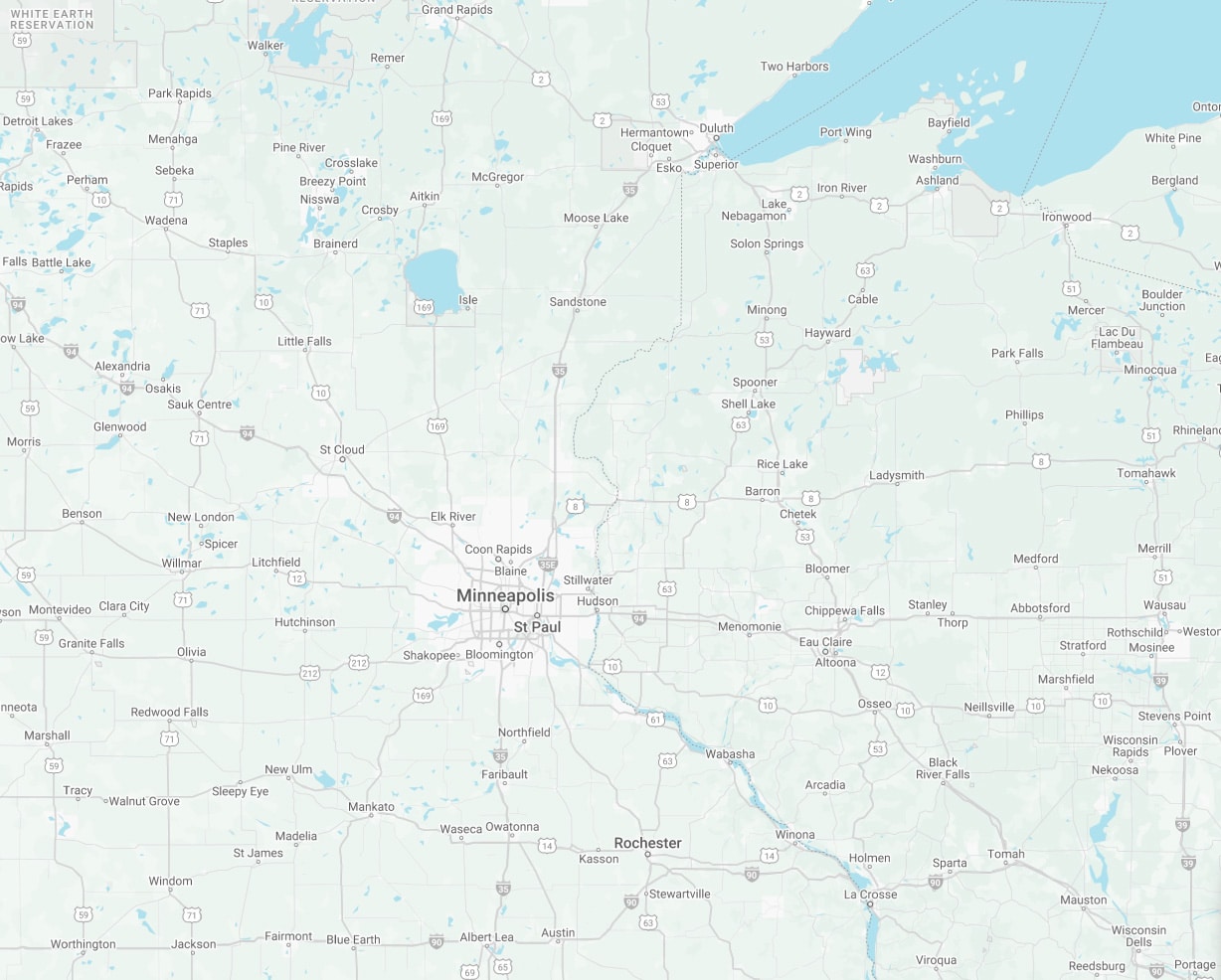
Mapping Where We’ve Made a Difference with a Wisconsin Land Contract or Minnesota Contract For Deed
Let us help you get into your home today!
Land Contract vs Owner Financing
In the realm of real estate financing options, both land contracts and owner financing offer alternative paths to home ownership for buyers who may not qualify for traditional mortgages. While they share some similarities, there are key distinctions between land contracts and owner financing that prospective buyers should consider before entering into an agreement. Land contracts, also known as contracts for deed or installment land contracts, involve a direct agreement between the buyer and seller where the seller retains legal title to the property until all payments are made in full.
This arrangement allows buyers with less-than-perfect credit to purchase a home without securing a traditional mortgage from a lender. In essence, the seller acts as the lender in this scenario, providing financing to facilitate the sale of the property.
Land contracts typically outline specific terms such as sales price, down payment amount, interest rate (if any), payment schedule, and duration of the contract. On the other hand, owner financing involves a similar concept where the seller provides financing to the buyer without involving a third-party lender.
Unlike land contracts where legal title remains with the seller until full payment is made, owner financing often involves transferring legal ownership to the buyer at closing while retaining a security interest in the property through a mortgage or deed of trust. This distinction can impact how each party’s rights and responsibilities are defined throughout the transaction process.
While both land contracts and owner financing offer flexibility for buyers who may struggle to secure traditional financing options, it is crucial for all parties involved—buyers, sellers, real estate agents—to carefully review and understand all terms outlined in these agreements to ensure a smooth and successful transaction process. Navigating the intricacies of land contracts and owner financing requires a deep understanding of state laws governing real estate transactions as well as careful consideration of individual financial circumstances.
Both options can offer viable solutions for homebuyers seeking alternative paths to homeownership but come with distinct advantages and potential risks that should be weighed carefully before committing to either arrangement. Consulting with experienced real estate professionals like Mike Arvold can provide valuable insights into which option may best align with your unique goals and financial capabilities when considering purchasing residential or commercial property through non-traditional means.
Who Pays Property Taxes On A Land Contract
In a land contract agreement, the question of who is responsible for paying property taxes is a crucial aspect that both parties must consider. Generally, on a land contract, the buyer is typically responsible for paying property taxes on the house. This responsibility falls on the buyer as they are essentially purchasing the property and have equitable ownership rights, even though legal title may not transfer until the contract is fulfilled.
It is essential for homebuyers entering into a land contract to understand their obligations regarding property taxes. Failure to pay property taxes can result in penalties and even foreclosure proceedings by the seller.
To avoid any potential issues, buyers should ensure they have a clear understanding of their tax responsibilities outlined in the land contract agreement. Realtors often advise both buyers and sellers to include specific provisions regarding property tax payments in the land contract.
Some contracts may stipulate that property taxes are escrowed and paid by a third party or held in reserve by the seller until due. Clear communication and transparency during the negotiation process can help alleviate any confusion or disputes regarding property tax obligations throughout the duration of the land contract.