

Key Takeaways
- Alternative Path to Ownership: A Contract for Deed offers a unique way for buyers to achieve property ownership, especially when traditional mortgage financing is difficult to obtain.
- Key Role in Minnesota: This arrangement is widely used in Minnesota, where it has become a significant tool in facilitating property transactions.
- Flexibility for Buyers: The flexibility of a Contract for Deed makes it accessible to a broader range of homebuyers, including those with credit challenges or unconventional financial situations.
- Bypasses Strict Lending Criteria: Buyers can secure homeownership without meeting the stringent requirements typical of traditional mortgage loans, such as high credit scores or large down payments.
- Opportunity for Homeownership: This agreement allows buyers to fulfill their dream of owning a home while avoiding common hurdles associated with conventional financing.
- Expanded Buyer Pool for Sellers: For sellers, offering a Contract for Deed can attract a larger pool of potential buyers, including those who might not qualify for traditional mortgages.
- Beneficial for Commercial Properties: This method can also be utilized for selling commercial properties, providing opportunities for investors who need alternative financing options.
- Streamlined Sales Process: Contract for Deed arrangements can lead to faster and smoother transactions, benefiting both buyers and sellers by reducing reliance on third-party financial institutions.
- Market Expansion Tool: Realtors and property owners value Contract for Deed agreements for their ability to broaden market access and create opportunities for both parties involved in real estate transactions.
Contract For Deed Land MN
In the realm of real estate transactions, a contract for deed is a widely utilized agreement that facilitates the purchase of property in Minnesota. This method offers an alternative to traditional mortgage financing, particularly catering to homebuyers who may face challenges obtaining loans through conventional means.
In essence, a contract for deed allows the buyer to make payments directly to the seller over an agreed-upon period until the full purchase price is paid off. This arrangement can be particularly attractive for individuals looking to invest in land or residential properties without going through a bank.
Within the state of Minnesota, contract for deed transactions are governed by specific laws and regulations designed to protect both buyers and sellers involved in such agreements. It is crucial for parties engaging in these transactions to understand their rights and responsibilities under Minnesota law.
One notable aspect of contract for deed land MN is that it provides flexibility in negotiating terms between buyers and sellers, allowing for customization based on individual circumstances. However, it is essential for all parties involved to seek legal counsel or guidance from experienced real estate professionals like Mike Arvold when entering into such agreements.
For potential homebuyers considering a contract for deed in Minnesota, it is vital to conduct thorough research on the property being purchased and understand all terms outlined in the agreement. Unlike traditional mortgages where ownership transfers upon closing, with a contract for deed, legal title typically remains with the seller until all payments are completed as per the terms specified.
This distinction underscores the importance of clarity and transparency throughout the process to avoid any misunderstandings or disputes down the line. Realtors specializing in contract for deed transactions can offer valuable insights and assistance to both buyers and sellers navigating this unique method of acquiring residential or commercial property in Minnesota.
What Is A Contract For Deed In Minnesota
A contract for deed in Minnesota, also known as a land contract or an installment sale contract, is a legal agreement between a buyer and a seller for the purchase of real estate. In this arrangement, the buyer agrees to make payments directly to the seller over time instead of obtaining a traditional mortgage from a bank or lender. This can be an appealing option for homebuyers who may have difficulty qualifying for conventional financing or prefer a more flexible payment structure.
Unlike traditional mortgages, which involve third-party lenders, a contract for deed in Minnesota allows buyers and sellers to negotiate terms directly without involving banks. The process of entering into a contract for deed in Minnesota typically involves negotiating the purchase price, down payment amount, interest rate (if any), payment schedule, and other terms of the agreement.
Both parties must agree on these terms before signing the contract. It is crucial for both buyers and sellers to fully understand their rights and obligations under the contract before proceeding with the transaction.
While this type of arrangement can offer advantages such as quicker closings and more streamlined processes compared to traditional real estate transactions, it also carries certain risks that should be carefully considered. One key benefit of utilizing a contract for deed in Minnesota is that it provides an alternative financing option for buyers who may not qualify for conventional loans due to credit issues or other factors.
Additionally, this arrangement can be advantageous for sellers looking to sell their property quickly without the need for extensive marketing efforts or involvement of realtors. However, it is essential for both parties to conduct thorough research and seek advice from professionals like Mike Arvold before finalizing any contract for deed agreements to ensure that their interests are protected throughout the transaction process.

Contract For Deed Minnesota Homes
One of the most common uses of a contract for deed in Minnesota is for residential properties, particularly homes.
Many homebuyers opt for a contract for deed arrangement when they are unable to secure traditional financing through a mortgage lender. This can be due to reasons such as a lower credit score, lack of substantial down payment, or unconventional income sources.
Contract for deed transactions offer an alternative path to homeownership, allowing individuals to purchase homes without the need for immediate large sums of cash. In Minnesota, contract for deed transactions involving homes typically involve a seller financing the purchase directly with the buyer over a specified period.
The terms of the agreement, including down payment amount, interest rate, repayment schedule, and other details are negotiated between the parties and outlined in the contract for deed document. Homebuyers who choose this route must be aware that they do not hold legal title to the property until the final payment is made and all terms of the contract are fulfilled.
Despite some risks involved in such arrangements, many buyers find contract for deed options appealing due to their flexibility and accessibility. Realtors and real estate agents like Mike Arvold play a significant role in facilitating contract for deed transactions involving Minnesota homes.
These professionals can assist both buyers and sellers in understanding the process, drafting contracts that adhere to state regulations, and ensuring a smooth transaction from start to finish. By leveraging their expertise in real estate law and market trends, realtors provide valuable guidance to individuals navigating the complexities of purchasing a home through a land contract or contract for deed agreement.
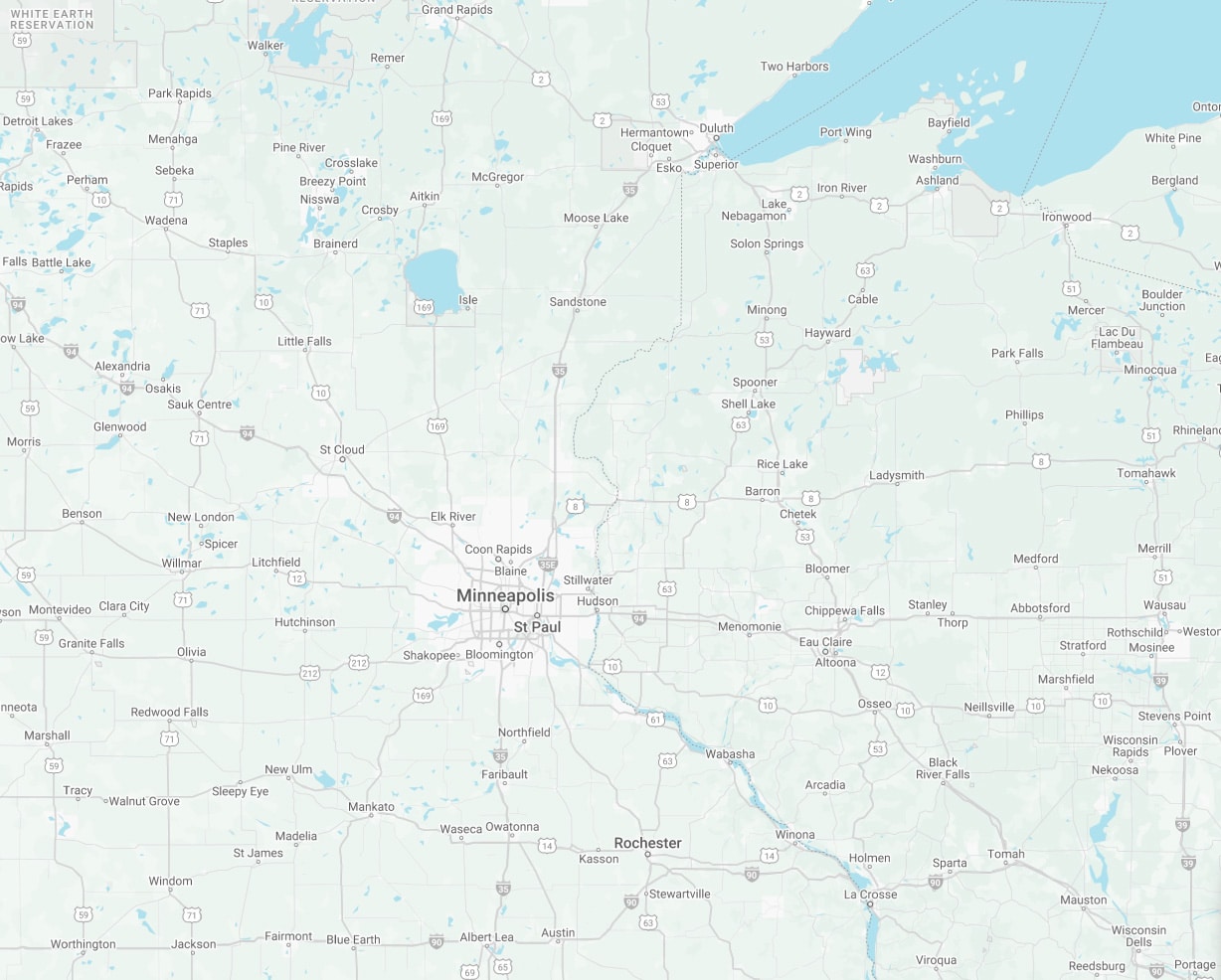
Mapping Where We’ve Made a Difference with a Wisconsin Land Contract or Minnesota Contract For Deed
Let us help you get into your home today!
Contract For Deed MN Form
In the realm of real estate transactions in Minnesota, having a thorough understanding of the contract for deed MN forms is paramount. This legal document serves as the foundation for a contract for deed agreement between a seller and buyer. The contract for deed forms outline all essential terms and conditions of the agreement, including details on the property being sold, purchase price, payment schedule, interest rates, and any other specific provisions agreed upon by both parties.
Understanding and accurately completing this form are crucial steps in ensuring a smooth and legally binding transaction. One key aspect to consider when filling out the contract for deed MN form is ensuring that all necessary information is accurately recorded.
It is essential to provide detailed descriptions of the property being sold, including legal descriptions, address, parcel numbers, and any other identifying information that may be required. Additionally, both parties’ contact information must be clearly stated to facilitate communication throughout the transaction process.
Moreover, specifying all financial terms such as purchase price, down payment amount if applicable, interest rates agreed upon by both parties will help avoid any misunderstandings or disputes later on. Furthermore, engaging with experienced professionals such as real estate agents or attorneys who are well-versed in contract for deed transactions can be highly beneficial when navigating the intricacies of filling out the contract for deed MN form.
These experts can offer valuable guidance on completing the document correctly to ensure compliance with Minnesota state laws and regulations governing contract for deed agreements. By seeking expert advice and assistance during this crucial stage of the homebuying process, both sellers and buyers can safeguard their interests and promote a successful transaction that aligns with their objectives regarding commercial or residential properties under consideration.