


Contract for Deed Checklist: What Every Buyer and Seller Should Have
A contract for deed—also known as a land contract—is an owner-financed sale where the seller carries the loan and typically keeps legal title until the buyer completes the agreed payments. This guide gives buyers, sellers, and agents a practical checklist to lower risk, meet legal requirements, and prepare for a clean title transfer at payoff. You’ll find a clear overview of the contract-for-deed process, the documents you should gather, how to use checklists to protect interests, Minnesota-specific rules to watch for, pros and cons for each side, and a step-by-step closing checklist. The advice focuses on actionable items—inspections, title searches, escrow options, insurance and tax responsibilities—and compares contract-for-deed mechanics with traditional mortgages and other seller-financing options. Read on for prioritized tasks, verification steps, side-by-side responsibility tables, and realistic timelines to help you negotiate, document, and close a land contract with confidence.
What Is a Contract for Deed and How Does the Process Work?
A contract for deed is a seller-financing arrangement where the buyer takes possession and pays in installments while the seller retains legal title until the balance is paid. The buyer receives equitable title and possession, but legal deed conveyance is deferred—this difference affects default remedies, recording, and how liens are handled. For buyers, the practical benefit can be faster access to homeownership when traditional underwriting isn’t an option; sellers can earn interest and potentially negotiate a higher effective sale price. Knowing these mechanics early helps shape negotiations over down payment, amortization, balloon terms, tax and insurance escrow, and default/forfeiture clauses. With that understanding, both parties can select verification steps that reduce title and payment risk before signing.
What Are the Essential Steps in the Contract for Deed Process?
Use this sequence—from negotiation through title transfer—to plan due diligence before signing. Begin with a written offer that states the price, down payment, payment schedule, interest rate, and any balloon payment. Confirm the property’s condition and legal status, order a title search promptly, and schedule inspections and a survey if needed. Decide whether an escrow agent or attorney will handle payments, taxes, and insurance to limit disputes. Finally, document closing mechanics (including deed drafting at payoff) and set procedures for recording or otherwise memorializing the contract to give public notice and protect both parties.
How Does a Contract for Deed Differ from a Traditional Mortgage?
The core differences are title ownership, remedies for default, and who performs underwriting. In a contract for deed, the seller keeps legal title until full payment while the buyer holds equitable title and immediate possession—this shifts certain protections and risks. Default remedies in land contracts often follow forfeiture procedures rather than judicial foreclosure, and state law can change how quickly a seller can reclaim the property. Sellers typically use more flexible underwriting than lenders, which may speed closing but raises exposure to unpaid taxes or liens. Recording practices also vary: some contracts are recorded as notices, others remain private. Parties must decide how recording and title insurance fit into their risk-management plan.
Contract for Deed vs. Mortgage: Avoiding Foreclosure
A contract for deed can give the seller an alternative to a mortgage foreclosure sale: the seller may retake possession and resell if the buyer defaults. Because of this, land contracts remain a viable option in some transactions where a mortgage is not suitable.
If you want help drafting protective language, coordinating inspections and title work, or choosing escrow and recording options, qualified professionals can assist. Sellers and buyers who prefer hands-on support should consider applying for services or contacting our team for targeted help with paperwork, checklists, and document review to reduce closing risk.
What Are the Key Contract for Deed Requirements for Buyers and Sellers?
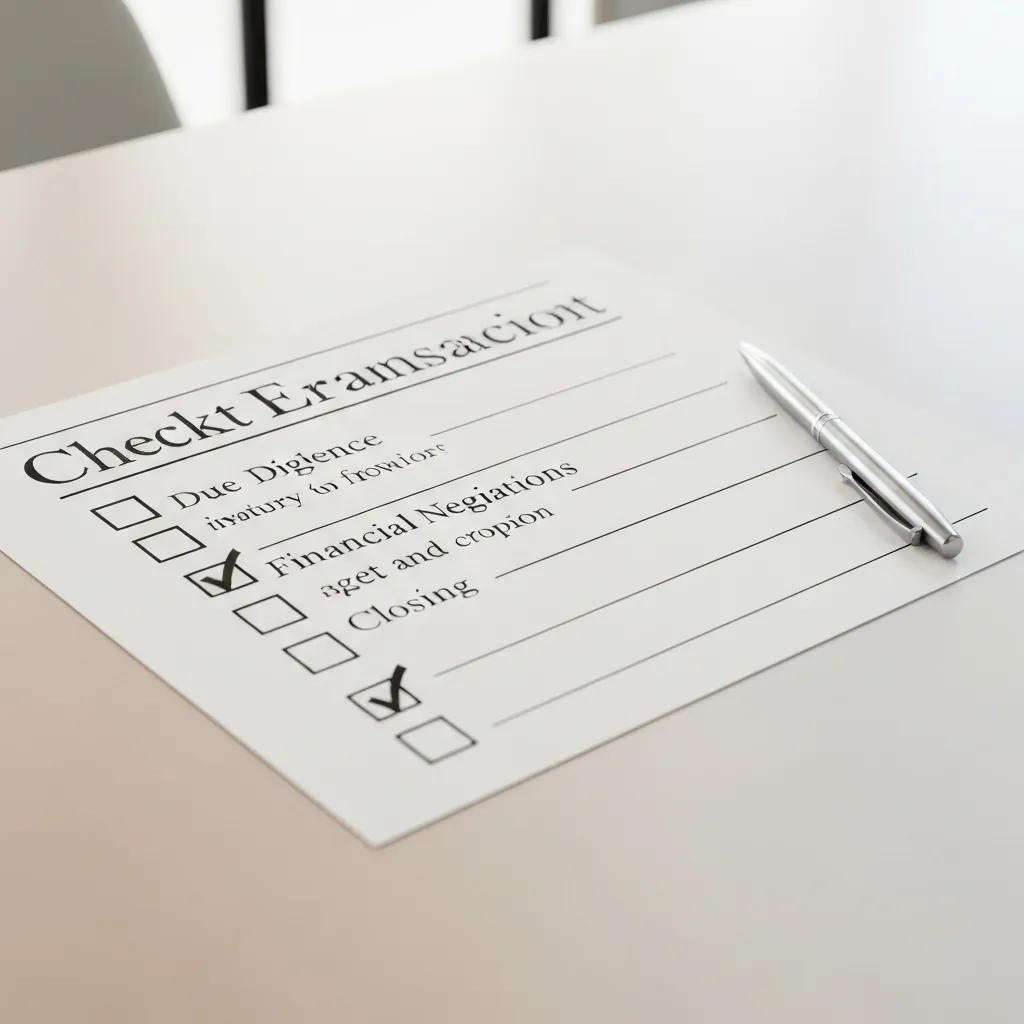
A dependable requirements checklist lists the documents and responsibilities each party must produce or verify to create a defensible land contract and protect against liens, tax issues, and unclear conveyance. Core items include a current title search, a clear contract with payment schedule and default remedies, proof of hazard insurance and tax payment arrangements, inspection and survey reports, and any HOA documentation. Buyers should insist on detailed amortization schedules and payment receipts; sellers should document clear title and disclose known encumbrances and material defects. Early attorney review and using escrow for taxes and insurance are common safeguards that reduce later disputes over priority liens and maintenance obligations.
We provide practical information about contract-for-deed transactions and guide buyers and agents toward applying for services or contacting our company for assistance.
This table clarifies who should obtain each item and why these documents matter to avoid disputes after signing. The next section explains how to use the checklist during negotiation and closing.
What Documentation Should Buyers Obtain Before Signing?
Buyers should secure a prioritized set of documents before committing to a contract for deed to limit title, physical, and payment risks. Obtain a current title search and consider whether title insurance is available; order a thorough home inspection and a property survey if boundary issues are possible. Ask for an amortization schedule showing principal and interest breakdown and confirm any balloon payment dates; verify how payments will be applied and where receipts are recorded. Also require proof of hazard insurance and written confirmation of how property taxes and HOA dues will be paid to avoid unexpected liens or coverage lapses.
What Seller Obligations and Disclosures Are Required?
Sellers must disclose material defects and any outstanding encumbrances and be able to convey clear legal title at payoff. Spell out in the contract who handles taxes, insurance, and major repairs during the term, and put those obligations in writing to reduce ambiguity. Sellers should consider escrow or third-party payment processing to provide transparent accounting and protect both parties from misapplied funds. In many places, attorney review and optional recording practices help give public notice and reduce the chance of competing claims.
How to Use a Contract for Deed Checklist to Protect Your Interests?
A usable checklist turns legal concepts into specific tasks buyers, sellers, and agents can assign, verify, and document during negotiation and closing. Use it to sequence title work, inspections, insurance procurement, escrow setup, and deed drafting, and assign clear responsibility for each task. Verify items with stamped title reports, inspection reports, insurance declarations, and escrow receipts, and keep a centralized file of documents for dispute resolution. Regularly compare the checklist to the contract timeline to ensure scheduled payments, tax proration, and recording deadlines are met and that any red flags prompt professional review.
Use this table during negotiation to assign accountability and avoid confusion about who completes each task. The next section highlights common pitfalls and how the checklist prevents them.
What Are the Common Pitfalls to Avoid in Contract for Deed Agreements?

Typical mistakes include incomplete documentation, vague default provisions, and neglected tax or insurance responsibilities that later become liens or grounds for forfeiture. Don’t skip a title search or fail to record the agreement, as both increase exposure to prior liens or undisclosed encumbrances. Avoid relying on verbal promises—document payment processes, keep receipts, and specify remedies for missed payments. Anticipating these pitfalls and adding clear remediation steps to your checklist can prevent costly, time-consuming disputes.
How Can Buyers and Sellers Verify Contract Terms and Conditions?
Verification depends on independent professionals and written proof: a title company or attorney to check title and liens, a licensed inspector and surveyor for property condition, and an escrow agent to manage taxes and insurance. Have a real estate attorney review contract language—especially default, acceleration, and forfeiture clauses—and obtain written confirmations for insurance and tax escrow setup. Set up how payments are recorded and ask for periodic statements to confirm principal reduction and avoid surprises. Clear verification steps reinforce the checklist and make the contract’s operations transparent to both parties.
What Are the Specific Considerations for Contract for Deed in Minnesota?
Minnesota has statutory and procedural rules that affect remedies, notice requirements, and recording practices for contracts for deed. Parties should build these rules into contract language to ensure enforceability. Recent statutes and case law change how forfeiture and redemption work, what notices are required for default, and how recording affects third-party rights—each of these can alter timelines for cure or reclaim. Buyers and sellers in Minnesota should confirm local recording practices, consult relevant statutes, and include state-mandated timelines for notices and redemption periods. Tailoring contract language to Minnesota rules reduces the risk that a remedy will be delayed or unavailable due to procedural noncompliance.
Minnesota Contract for Deed Forfeiture Laws Explained
In Minnesota, when a contract purchaser defaults, the seller may pursue forfeiture—a remedy courts have called among the most severe. That legal framework changes how parties approach default and cure timelines.
What Minnesota Laws Affect Contract for Deed Transactions?
Minnesota’s statutes and case law affect default procedures, notice periods, and how recording interacts with third-party rights, so local legal review is essential. Procedural rules can influence how quickly a seller may seek forfeiture or how a buyer may cure a default; recording practices can affect notice to later purchasers or lienholders. Because laws change, consult an attorney experienced with Minnesota contract-for-deed rules and incorporate required notices and timelines into the agreement to avoid procedural defenses that could delay enforcement or title transfer.
Contract for Deed in Minnesota: A Historical Perspective
The contract for deed has a long history in Minnesota. Personal stories—like childhood memories of family members who purchased land this way—underscore how commonly this financing method has been used across rural and urban communities over the years.
How Does the Contract for Deed Process Different in Minnesota Compared to Other States?
Compared with many states, Minnesota’s approach to remedies and recording can change the protection each side receives and the speed of seller remedies. Some states require judicial foreclosure for mortgage-like claims while others allow quicker statutory forfeiture for land contracts; Minnesota’s treatment of these issues affects contract language and recording choices. Out-of-state buyers and agents should adapt templates to Minnesota specifics—especially notice periods for default and redemption rights—rather than assuming rules match those of another state. Knowing these differences helps parties draft enforceable, locally compliant contracts.
What Are the Advantages and Disadvantages of Using a Contract for Deed?
Contracts for deed offer both benefits and risks depending on the party. Buyers can access homeownership with more flexible underwriting and faster closings; sellers can earn steady interest income and widen their buyer pool. But both face risks related to delayed legal title, potential liens, and complex remedies on default. Buyers risk losing equity if protections aren’t in place; sellers risk unpaid taxes, contractor liens, and the time and cost of reclaiming property on default. Weigh these trade-offs and use mitigations—escrowed taxes, title insurance, and clear contract terms—so the arrangement fits your financial and risk profile.
This comparison helps clarify trade-offs so parties can choose mitigating steps—like escrowed taxes or title insurance—based on the most relevant pros and cons. Next we examine buyer motivations and seller risk management more closely.
Why Might Buyers Choose a Contract for Deed Over a Mortgage?
Buyers often choose a contract for deed when credit history, self-employment documentation, or timing make traditional mortgage underwriting difficult. Seller financing can allow more flexible income verification and negotiated down payments, enable faster closings, and provide a path to ownership that lets buyers rebuild credit and later refinance. The trade-off is delayed legal title; buyers should insist on protections—recorded agreements, escrow for taxes, clear cure terms—to avoid losing equity.
What Risks Should Sellers Consider When Offering a Contract for Deed?
Sellers face risks such as unpaid taxes, contractor or municipal liens, and the cost and delay of reclaiming property if defaults occur and contract terms are unclear. Property damage, neglected maintenance, and unpaid HOA dues can create liabilities while the seller retains legal title. To reduce exposure, require adequate down payments, insist on insurance naming appropriate parties, escrow taxes and insurance where possible, and draft clear default remedies with legal review. These steps preserve the economic benefits of seller financing while managing risk.
How to Finalize and Close a Contract for Deed Agreement Successfully?
Closing a contract for deed requires coordinated steps: final payment accounting, deed preparation, recording (or other conveyance consistent with the contract), lien clearance, and confirmation of tax and insurance status. Use a closing checklist to confirm the seller’s authority to convey, that liens are satisfied, that the buyer’s final payment is correctly applied, and that the deed or conveyance is filed per local practice. Engage a title professional or attorney to coordinate recording and confirm whether title insurance can be issued at payoff. Following these steps and documenting each task prevents post-closing disputes and secures the buyer’s legal ownership when conditions are met.
If you need help coordinating final accounting, drafting conveyance documents, or arranging recording and lien clearance, industry specialists can manage closing workflows and verify paperwork to ensure clear title transfer at payoff.
What Are the Steps to Ensure Clear Title Transfer?
To secure clear title, obtain a final title report and lien payoff statements showing no outstanding encumbrances will survive closing. Prepare the deed or conveyance to match payoff conditions, verify full payment and collect receipts, then record the deed or required instruments per local rules to give public notice. Get confirmation of recording and, if possible, title insurance or an endorsement to protect against post-closing defects. Notify taxing authorities and HOA management to confirm proration and remove outstanding obligations. These sequential steps reduce the chance of liens or disputes after conveyance.
How Should Buyers and Sellers Prepare for Closing?
Start preparing 7–30 days before transfer: confirm final payoff figures, secure certified funds, obtain updated title and tax statements, perform a final walk-through, and have the deed drafted and reviewed by counsel. Coordinate with the escrow agent or attorney to schedule tax proration, insurance transfer, and recording logistics, and make sure both parties understand payment posting timelines. Gather identification, payment receipts, insurance declarations, and HOA estoppel letters, and clarify who will file the deed and how parties will receive recorded documents. Preparing this checklist and confirming responsibilities in advance reduces last-minute surprises and smooths title transfer.
If you want an organized approach to closing or coordinated support for payoff accounting, deed drafting, or recording, consider applying for services or contacting our company. We connect parties with professionals and tools to complete contract-for-deed transactions efficiently.
- Pre-closing verification: Confirm title, payoffs, and insurance status.
- Document assembly: Gather deeds, receipts, tax proration statements, and HOA letters.
- Recording and confirmation: Arrange deed recording and obtain stamped documents.
This ordered checklist condenses key closing tasks into actionable steps and prepares both parties for an orderly transfer of legal title at payoff.
Frequently Asked Questions
What are the tax implications of a contract for deed?
Tax treatment can vary. Buyers may not be able to deduct mortgage interest until they hold legal title, while sellers must report interest received as taxable income. Property taxes often remain the seller’s responsibility until the title transfers, which can complicate filing and liabilities. Consult a tax professional to understand how these issues apply to your situation and to ensure compliance with local rules.
Can a contract for deed be modified after signing?
Yes. Both parties can modify a contract for deed, but all changes should be documented in writing and signed by buyer and seller to be enforceable. Typical modifications include adjusted payment schedules, interest-rate changes, or altered maintenance responsibilities. Have a legal professional review amendments to make sure they comply with applicable law and avoid unintended consequences.
What happens if a buyer defaults on a contract for deed?
If a buyer defaults, the seller’s remedies depend on the contract terms and state law. Many land contracts allow forfeiture proceedings that let the seller reclaim the property without a formal foreclosure, but procedures and timelines differ by jurisdiction. Buyers risk losing equity and facing legal action. Both parties should understand default remedies and consider safeguards—like cure periods and escrow arrangements—before signing.
Are there any specific disclosures required for sellers in a contract for deed?
Sellers must disclose material defects and any outstanding liens or encumbrances that could affect ownership. They should also disclose property tax status, insurance obligations, and applicable HOA rules. Clear, written disclosures protect both parties and reduce the risk of later litigation—consider having disclosures reviewed by counsel.
How can buyers protect themselves in a contract for deed?
Buyers protect themselves through thorough due diligence: get a title search to spot liens, order a home inspection to assess condition, and ensure the contract spells out payment schedules and default remedies. Consider escrow services for tax and insurance payments and consult a real estate attorney to draft protective clauses. Keep organized records of every payment and document.
What role does an escrow agent play in a contract for deed?
An escrow agent acts as a neutral third party to manage funds and ensure disbursements follow the contract. An escrow agent can hold down payments and monthly installments, pay property taxes and insurance premiums on schedule, and provide transparent accounting—reducing disputes over obligations. Using escrow adds a layer of security for both buyer and seller.
Conclusion
Knowing the contract for deed process gives buyers and sellers the confidence to handle owner-financed transactions. A clear checklist helps mitigate risk, ensure compliance, and streamline title transfer. If you’re ready to explore options or need help drafting documents, assembling checklists, or coordinating closing tasks, reach out to our team of experts. We can connect you with professionals who simplify the process and reduce closing risk.