


Buyer’s Due Diligence for Contract-for-Deed Deals: A Practical Guide to Safe Homeownership
Buying a home is a big step — and Contract-for-Deed (also called a land contract) adds extra considerations. This guide walks you through the due diligence buyers should do: what to check, where the risks are, and how to protect your money and future ownership. We also explain how Contract For Deed, LLC supports buyers with practical, state-focused guidance.
What is a Contract-for-Deed — and why it changes due diligence?
With a Contract-for-Deed, the buyer makes payments to the seller while the seller keeps legal title until the contract is paid in full. That contrasts with a traditional mortgage where a lender holds a lien and the buyer holds legal title. That legal difference affects your rights, remedies, and what you need to verify before signing.
Contract-for-Deed vs. Land Contract: the basics
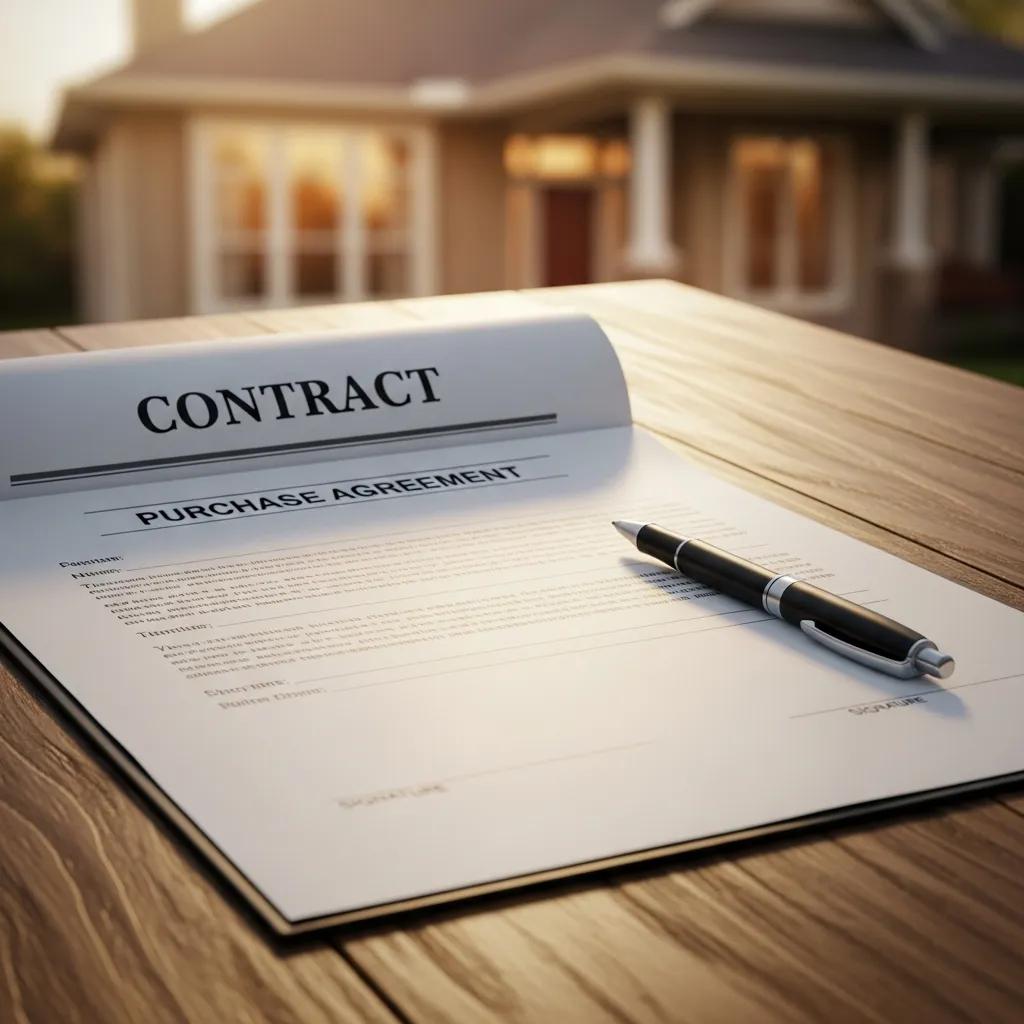
States use terms differently, so a Contract-for-Deed and a Land Contract can mean the same thing in one place and vary in another. Typically, buyers hold equitable title — the right to live in and use the property — while the seller retains legal title until the final payment. This setup can open doors for buyers who can’t get traditional financing, but it requires careful checks to avoid surprises.
Key risks and protections for buyers in Contract-for-Deed agreements
Because legal title stays with the seller, buyers can face risks like seller foreclosure, undisclosed problems, or disputes over repairs. To protect yourself, insist on clear contract terms: inspection rights, a written repair and maintenance plan, and defined remedies if the seller defaults or the buyer falls behind.
Why due diligence matters in Contract-for-Deed purchases
Due diligence helps you spot title issues, hidden costs, and property defects before they become costly problems. A careful, step-by-step review gives you leverage to negotiate better terms — or to walk away from a risky deal.
Common risks and how due diligence reduces them
Typical hazards include hidden liens, structural defects, and seller insolvency. A thorough title search, a professional inspection, and a financial review of payment terms expose these risks. That information lets you negotiate protections or decline the purchase if the risk is too high.
How due diligence differs from a traditional mortgage
When you work with a lender, many checks — appraisals, title searches, and underwriting — happen automatically. In Contract-for-Deed deals, those responsibilities fall to you. You must verify the seller’s standing, order inspections, and confirm the title is clear before you make payments.
How to inspect a property for land contracts in Minnesota and Wisconsin
A thorough inspection protects your investment. In Minnesota and Wisconsin, where laws and typical practice can differ, a detailed inspection is essential to confirm the home’s condition and reveal defects that affect value or safety.
What to check during a property inspection

Focus on the foundation, roof, heating and cooling, plumbing, electrical, and any signs of water intrusion or pests. Use a written checklist and get estimates for any major repairs before you finalize terms. That gives you factual grounds to negotiate price, credits, or repairs.
Picking an inspector experienced with Contract-for-Deed properties
Choose a licensed inspector and ask whether they’ve worked on properties sold under Contracts-for-Deed or land contracts. A knowledgeable inspector will flag issues that could affect resale, insurance, or your ability to refinance later.
Title searches: what Contract-for-Deed buyers need to know
A title search uncovers liens, judgments, easements, and other claims that could interfere with ownership. In Contract-for-Deed deals, clearing title issues before you pay is critical because legal title remains with the seller until the contract is satisfied.
Why a title search matters
A title search reveals outstanding debts or legal claims against the property. If liens exist, they can threaten your investment. Have the search done by a reputable title company or attorney and get written documentation of their findings.
Have an attorney review contract terms and title reports
Ask a real estate attorney to review the contract and title report before you sign. An attorney can identify unfavorable clauses, clarify your rights, and recommend contract language that protects you if problems arise.
Assessing the financial and legal side of a Contract-for-Deed
Reviewing the numbers and the fine print is as important as the physical inspection. Know your total cost, payment obligations, and the remedies available to both parties.
Review costs, payment schedule, and closing expenses
Map out all costs: down payment, monthly payments, taxes, insurance, maintenance, and any closing or filing fees. Confirm who pays property taxes and insurance during the contract, and factor those into your monthly budget.
Watch for balloon payments, refinancing options, and key clauses
Look for balloon payments, automatic acceleration clauses, and limits on your ability to refinance. If the contract has a large final payment, confirm realistic refinancing paths and timeframes so you’re not surprised later.
How Contract For Deed, LLC helps buyers
Contract For Deed, LLC provides guidance and tools for buyers navigating Contract-for-Deed purchases, with experience focused on Minnesota and Wisconsin markets.
Services and resources we offer
We provide educational materials, checklists, and referrals for inspectors and legal counsel. Our goal is to help you understand contract terms, complete the right searches and inspections, and make confident decisions.
State-specific guidance (MN & WI)
Contract-for-Deed rules vary by state. We offer targeted information for Minnesota and Wisconsin buyers so you understand local statutes, filing requirements, and recent legislative changes that affect protections and remedies.
Recent Minnesota legislation has moved to strengthen buyer protections in contract-for-deed agreements.
Minnesota Contract-for-Deed Reforms & Buyer Protections
Coverage highlighted predatory practices by some contract-for-deed sellers in vulnerable communities and helped prompt 2024 reforms to Minnesota’s contract-for-deed laws.
Frequently Asked Questions
What are the key differences between a Contract-for-Deed and a traditional mortgage?
In a Contract-for-Deed the seller retains legal title until you complete the payments; you typically hold equitable title and occupy the property. With a traditional mortgage the buyer holds legal title while a lender holds a lien. That difference changes your rights, remedies, and which parties perform title and condition checks.
How can buyers protect themselves from seller default in a Contract-for-Deed?
Include clear contract remedies: inspection rights, escrowed or documented payments, and written procedures if the seller defaults. Conducting a title search, getting a professional inspection, and having an attorney review the contract reduce the chance of losing protection if the seller becomes insolvent.
What should buyers look for during a property inspection?
Prioritize structure and systems: foundation, roof, HVAC, plumbing, electrical, and signs of water damage or pests. Get a full written report, estimates for needed repairs, and use those findings to negotiate repairs, credits, or contract adjustments.
Why is a title search important in a Contract-for-Deed transaction?
A title search uncovers liens, judgments, easements, or other claims that could interfere with ownership. Since the seller holds legal title until final payment, unresolved title problems can threaten your investment — so hire a reputable title company or attorney to verify clarity.
What financial aspects should buyers evaluate before entering a Contract-for-Deed?
Understand the full cost: down payment, monthly payments, taxes, insurance, maintenance, and any closing fees. Review payment schedules, balloon clauses, and whether the contract allows refinancing. That clarity helps you budget and avoid unpleasant surprises.
How can Contract For Deed, LLC assist buyers in their due diligence process?
We offer state-specific guidance, practical checklists, and referrals to inspectors and attorneys. Our resources are designed to help you evaluate property condition, clear title issues, and negotiate contract terms that protect your interests.
Conclusion
Contract-for-Deed arrangements can create a path to homeownership, but they require careful due diligence. By ordering a full inspection, completing a title search, and having contract terms reviewed by an attorney, you protect your investment and your future. Use the checklists and state-focused guidance available from Contract For Deed, LLC to move forward with confidence.