

Key Takeaways
- Bad credit and no credit both make mortgage approval difficult but not impossible.
- Traditional options like FHA, VA, or USDA loans may work for bad credit buyers.
- No credit buyers can qualify using manual underwriting or alternative data.
- Owner financing (Contract for Deed) is the most accessible path for both groups.
- With steady income and a fair down payment, homeownership is within reach—no bank approval required.
Bad Credit vs No Credit Mortgage Options
Buying a home is one of the biggest financial steps you can take—but if you have bad credit or no credit, the process can feel discouraging. Traditional banks often deny applications based on strict credit score requirements, leaving many would-be homeowners wondering if they have any options at all.
The truth is, both bad credit and no credit borrowers still have pathways to homeownership. You just need to understand how lenders view your profile, what financing alternatives exist, and which option best fits your situation.
This guide breaks down the differences between bad credit vs no credit mortgage options and how programs like owner financing can help you qualify without relying on banks.
Understanding Credit in Mortgage Applications
When applying for a mortgage, lenders use your credit score to gauge risk. Your score reflects your payment history, debt levels, and credit usage.
- Good credit (680–850): Easier loan approval and lower interest rates
- Fair credit (580–679): Possible approval with higher rates
- Bad credit (below 580): Difficult approval or higher down payment required
- No credit: No credit history at all, often treated as unverified risk
Lenders want proof that you can manage debt. Without that, they may decline the application or require additional documentation.
Bad Credit vs No Credit: What’s the Difference
Bad Credit
Bad credit means you have a credit history that includes negative marks such as late payments, collections, or high debt. Lenders see this as evidence of financial instability.
No Credit
No credit means you have little or no borrowing history. You may have never taken out a loan or used a credit card. Lenders aren’t sure how you’ll handle long-term payments because there’s no record to analyze.
Both situations make traditional mortgage approval challenging—but for different reasons.
Challenges of Getting a Mortgage With Bad Credit
- High interest rates that increase long-term costs
- Larger required down payments (often 10%–20%)
- Stricter verification of income and employment
- Possible need for a co-signer or guarantor
Even FHA and VA loans, which are more flexible, have minimum credit score requirements.
Challenges of Getting a Mortgage With No Credit
- Lenders lack a history to base decisions on
- You may be asked for “alternative credit data” like rent, utilities, or phone payments
- Limited access to standard loan products
- Higher scrutiny of your income and assets
Traditional banks prefer borrowers with established credit patterns, leaving new buyers with fewer choices.
Traditional Mortgage Options for Bad Credit
1. FHA Loans
Backed by the Federal Housing Administration, FHA loans allow credit scores as low as 500 with higher down payments.
2. VA Loans
Available to veterans and military families, these loans have flexible requirements and no down payment.
3. USDA Loans
For rural buyers, these loans offer no down payment and lenient credit reviews, though location and income limits apply.
These programs can work for bad credit borrowers who still meet certain minimum standards.

Traditional Mortgage Options for No Credit
1. Manual Underwriting
Some lenders manually review your finances—examining rent, utility, and phone bill payment histories—to verify reliability.
2. Credit Builder Loans
Small, secured loans designed to establish credit. These won’t help immediately but can make you eligible for mortgages in the future.
3. Co-signed Loans
Having a co-signer with good credit can improve your chances of approval and better rates.
Alternative Financing for Both Bad and No Credit Buyers
When banks say no, there are still alternative mortgage paths worth exploring.
1. Owner Financing (Contract for Deed)
In owner financing, the seller acts as the lender. You make monthly payments directly to the seller until the balance is paid off. No bank approval or credit check is required.
This option is ideal for buyers who have steady income but struggle with credit history.
2. Rent-to-Own Agreements
You rent the home with an option to purchase it later. While it helps you save toward ownership, the terms can be risky if not written properly.
3. Local Credit Unions
Credit unions may offer more flexible underwriting and community-based programs for borrowers with limited credit.
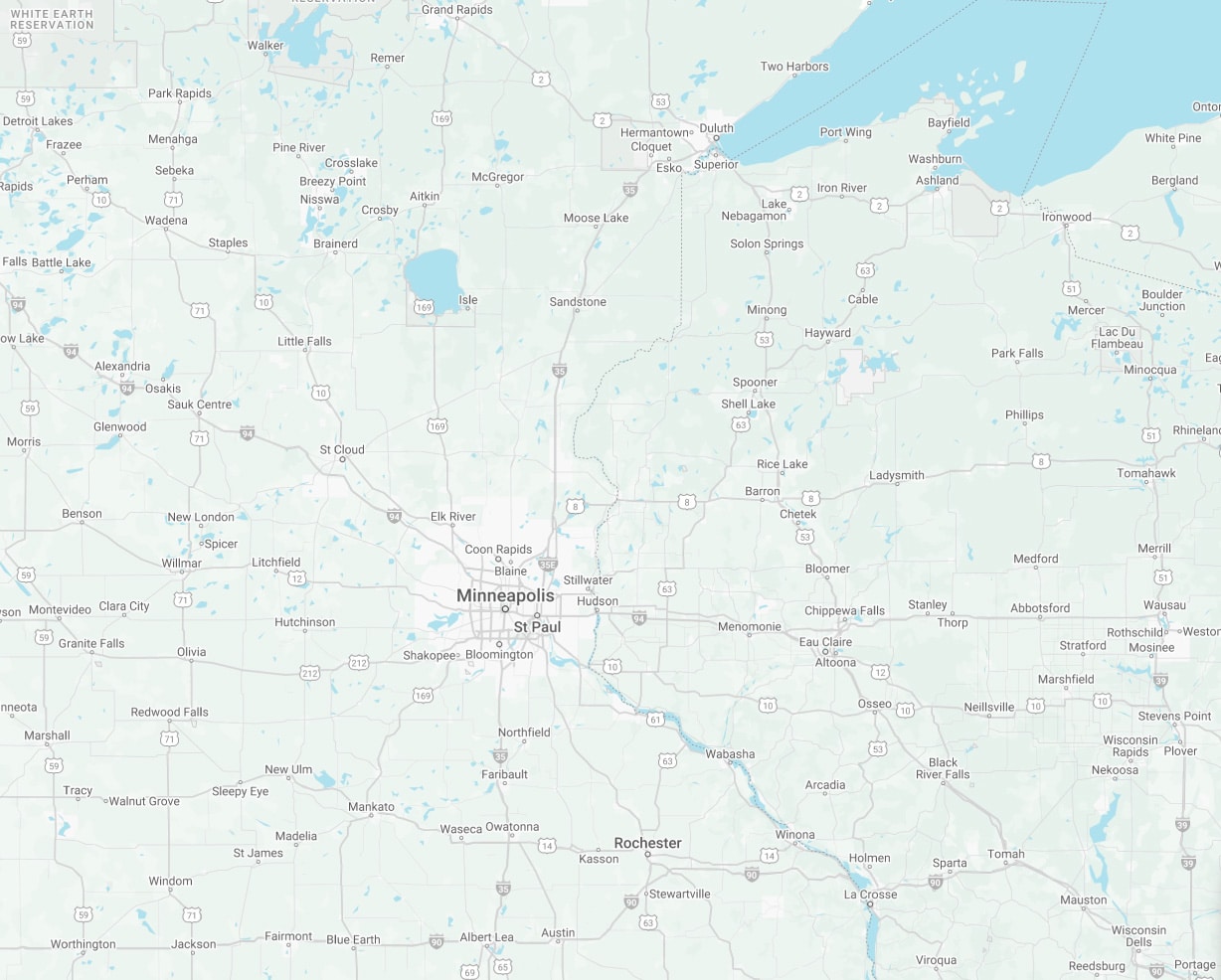
Mapping Where We’ve Made a Difference with a Wisconsin Land Contract or Minnesota Contract For Deed
Let us help you get into your home today!
How Contract for Deed Helps in Minnesota
In Minnesota, Contract For Deed LLC offers a streamlined path for buyers who can’t qualify for bank mortgages. Here’s how it works:
- You choose a home on the market.
- Contract For Deed LLC purchases it for you.
- You make monthly payments directly to them under clear, legal terms.
- After fulfilling the contract, the deed transfers to your name.
This allows buyers with poor or no credit to start building equity immediately instead of renting.
How to Improve Your Chances of Approval
Regardless of your credit situation, preparation helps:
- Save a larger down payment to reduce the seller’s or lender’s risk.
- Show stable income through pay stubs or bank statements.
- Avoid new debts before applying.
- Keep clear records of rent and utility payments as proof of reliability.
Consistency and transparency go a long way in gaining trust.
Bad Credit vs No Credit: Which Is Easier to Work With
Surprisingly, no credit can sometimes be easier to overcome than bad credit. With no negative marks, sellers or alternative lenders can focus on your income potential and payment consistency rather than past mistakes.
Bad credit buyers may face more challenges because past delinquencies make lenders cautious. Still, both can qualify for owner financing with the right documentation and savings.
Why Owner Financing Is Often the Best Solution
For both bad credit and no credit borrowers, owner financing offers:
- No bank approval process
- Flexible down payments
- Fast move-in timelines
- Opportunity to build equity while paying
- Legal contracts protecting both parties
Unlike rent-to-own arrangements, you’re treated as the homeowner from day one.
Take the First Step Toward Homeownership
If you have bad credit or no credit, you don’t have to wait years to buy a home. At Contract For Deed LLC, we help Minnesota buyers qualify through secure, no-bank owner financing.
Contact us today to learn more about your mortgage options and start building equity on your terms.